The real choice isn’t where in Europe
At 11:43 p.m., with two laptops open and a half-eaten takeaway on the desk, you hover between “Paris” and a smaller-dot city you can’t quite place on the map. The hotel tab shows one number, the train tab another, and suddenly the “cheap” alternative doesn’t look so obvious. It’s not indecision so much as a math problem with vibes attached.
The real choice usually isn’t where in Europe, it’s what you’re optimizing for: certainty or breathing room. Big-name hubs give you direct flights, frequent trains, and easy last-minute pivots—great if you’re winging days and hate connection stress. The trade-off is queues that quietly steal hours (museum entry, dinner without a reservation, even just crossing a crowded bridge at sunset). Smaller classics can feel more “European” per minute—walkable centers, local menus, viewpoints you don’t need a timed ticket for—but they ask for tighter timing around limited train frequency, earlier dinner hours, and the occasional awkward transfer.
Season changes the equation more than people admit. In July, a place that’s “sleepy” on paper can outperform a famous city because you’ll actually sit down at 8 p.m. without strategizing. In shoulder months, the big cities get easier, while coastal towns can turn quiet in a way that only works if you like slow mornings and don’t mind fewer open kitchens.
For big-city energy, minus queues
At 9:12 a.m., you’re standing on a station platform with a coffee that’s already gone lukewarm, watching a 6-minute connection tick down on the departure board. The plan was “just wander today,” but the first decision is whether you want a city that rewards spontaneity by 10 a.m., or one that punishes it with sold-out entries and 40-minute lines. That’s the moment the under-the-radar “big city” starts to look less like a compromise and more like a strategy.
If you want classic-city density without Paris-level crowd choreography, aim for places that have a real urban pulse and multiple neighborhoods worth your time when the headline sights are busy. Valencia, Lyon, and Bologna can deliver that: they’re large enough for late dinners, transit that runs past midnight, and museums you can still decide on after lunch. The trade-off is that they’re not “unknown,” so weekends and festival weeks still spike—just usually in tighter pockets, not across the whole center. They work best for couples who want food-forward days and evening stroll energy; if your priority is iconic landmarks per hour, you may feel like you’re missing the greatest-hits reel.
Then there are cities that feel slightly more “local by default,” but come with a routing cost. Rotterdam or Antwerp can be brilliant if you’re already in the Netherlands/Belgium corridor—easy trains, modern design, zero need to pre-book every meal—yet they don’t land the same way if you’re forcing them into an Italy-first itinerary. If you’re winging days, pick one hub city that’s forgiving, then add a smaller side base; it’s often the combination that keeps the energy high without turning your trip into a queue-management project.
Mountains and lakes with breathing room
At 7:18 a.m., you step off a regional train with a light jacket on your arm, and the lake air feels cooler than you expected for July. The platform is quiet in a way that reads “relaxing” until you notice the next connection isn’t for another hour. You can either treat that gap like a free cappuccino-and-pastry window, or like a tax you pay for choosing mountains over megacities.
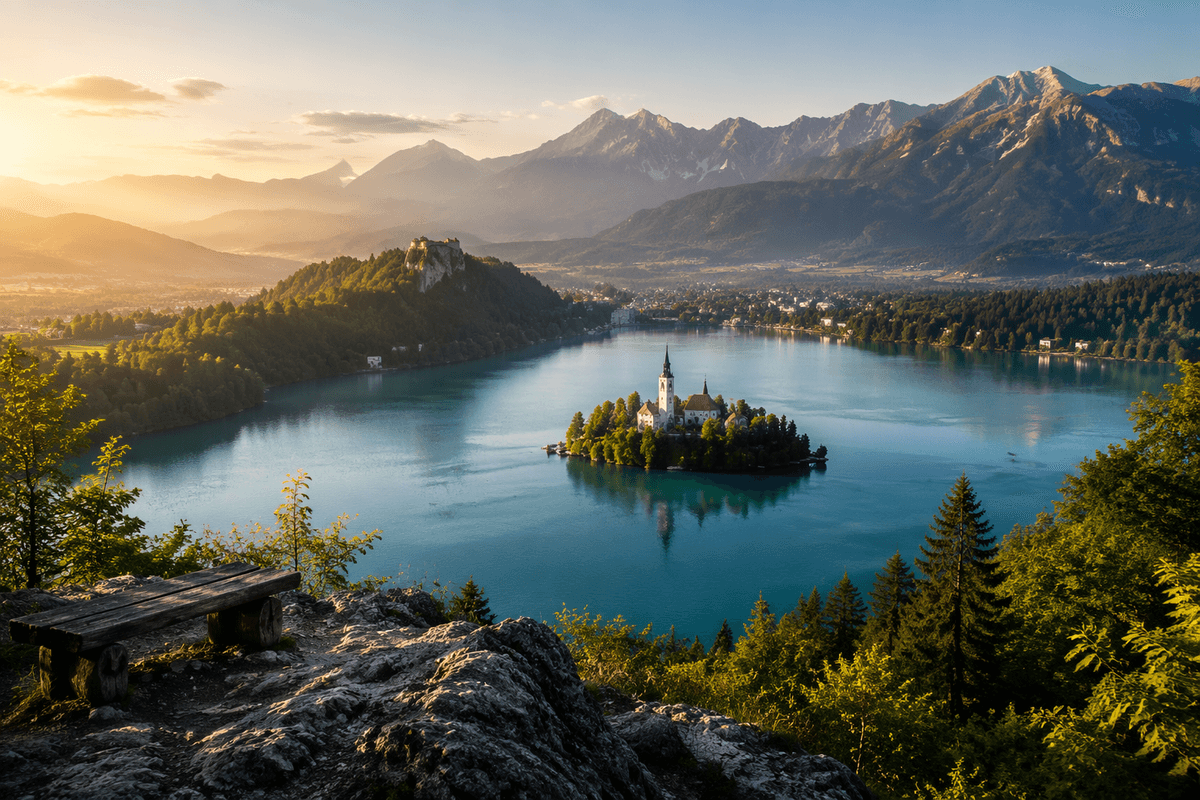
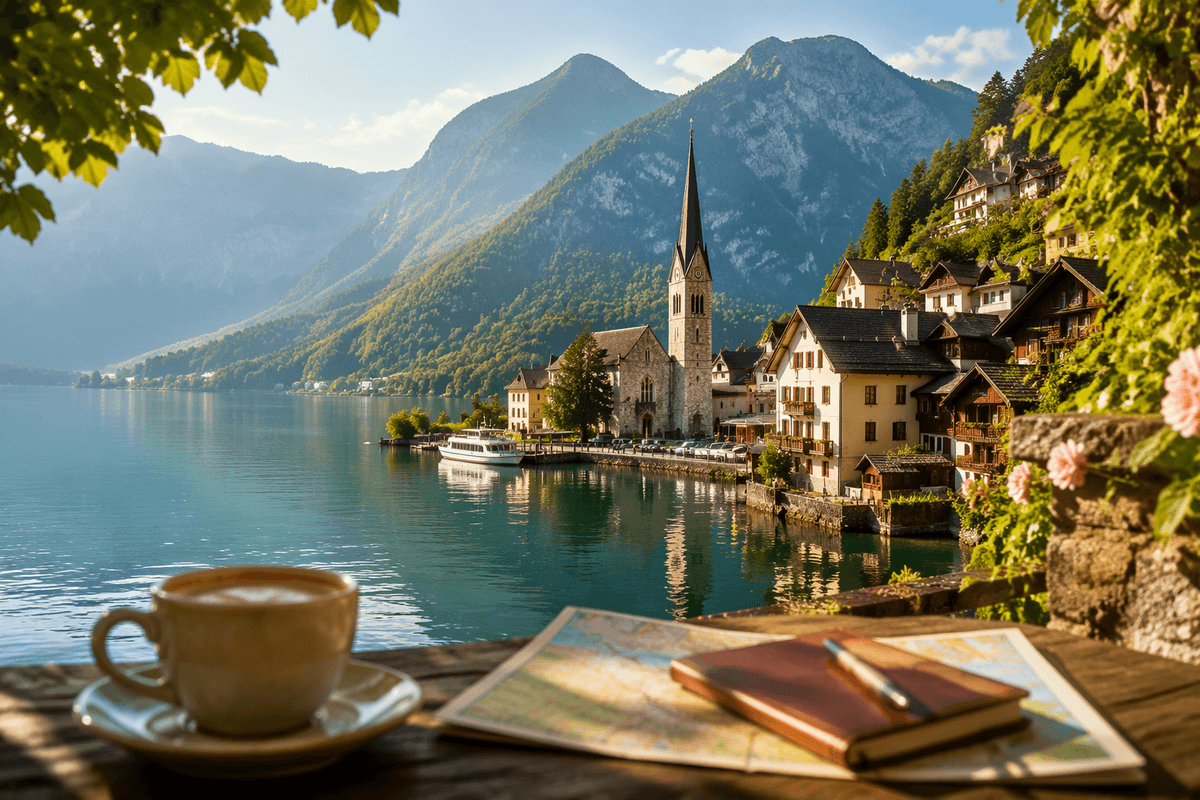
For a “classic Europe” mountain-and-water look without Interlaken-level crowd flow, aim for places where scenery is the headline but the logistics stay mostly rail-friendly. The Austrian Salzkammergut (bases like Hallstatt-area villages or Bad Ischl) gives you lakes, cable cars, and tidy town centers, with trains that work well if you commit to a hub and do day loops. Slovenia’s Lake Bohinj can feel like Lake Bled’s calmer sibling—less promenade performance, more actual swimming and walking—though you’ll trade some train ease for buses and earlier shut-down hours in the evenings. These work best for couples who like early starts and slow afternoons; if you need nightlife to “prove” you’re on vacation, they can feel too polite.
Switzerland is the obvious benchmark, and it’s still worth considering, just not on autopilot. You’ll save time with clockwork connections, then lose money fast on lifts, lake cruises, and even simple lunches; it’s the cleanest trade-off on the continent. Northern Italy’s lake fringes can be cheaper on paper, but in summer the ferry queues and narrow roads can make a short hop feel longer than a mountain train. If you’re winging days, pick one lake town where you can walk to dinner, then one higher-elevation base where the view doesn’t require a timed entry—your legs will thank you by day six.
Culture-and-food capitals you overlooked
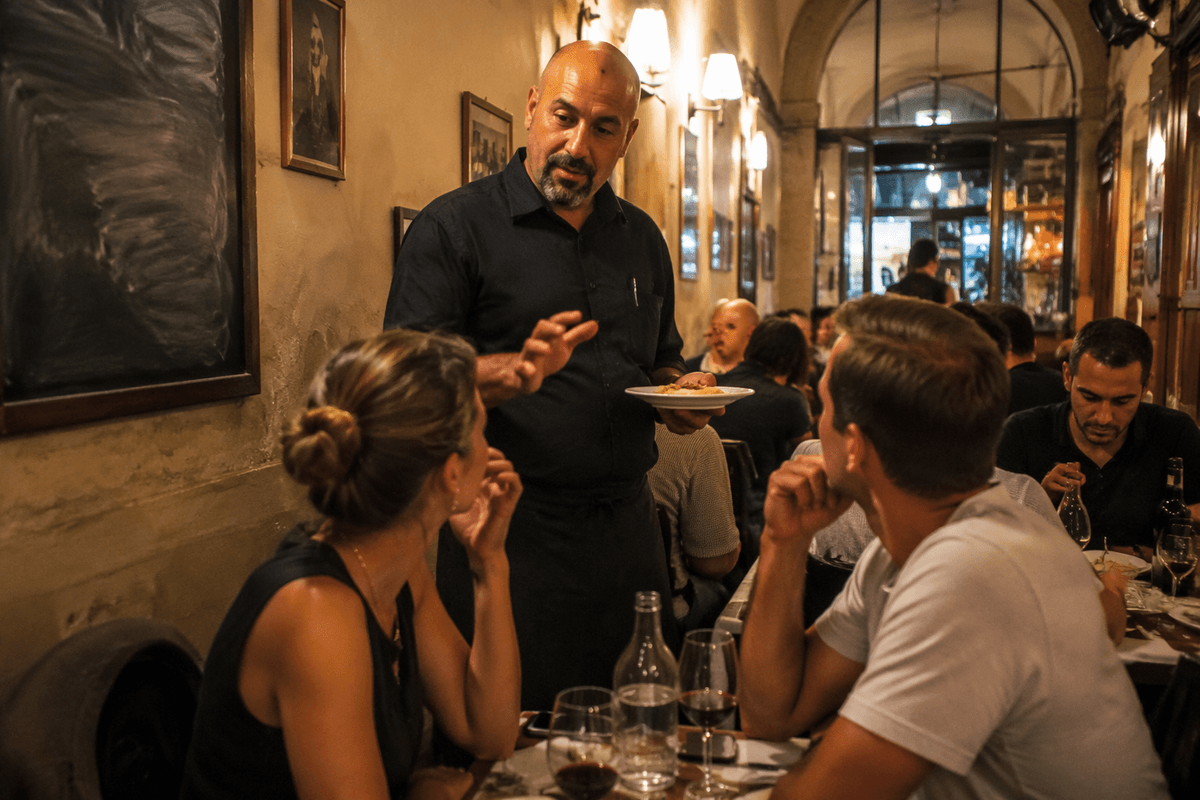
At 6:41 p.m., you’re squeezed into a narrow trattoria where the chalkboard menu has been half-erased, and you realize you never once checked whether this city had a “must-see.” You picked it because the hotel was €40 less than the famous neighbor and the train looked simple. The trade-off shows up immediately: fewer English explanations, more “trust the waiter,” and—oddly—less performance around dinner.
If you want culture without the museum-race energy, Turin is a sneaky win: elegant arcades, serious café culture, and food that feels like a local habit rather than a tourist itinerary. It works best if you like slow, indoor-heavy days (aperitivo, galleries, chocolate, long lunches); it’s less ideal if you’re chasing postcard landmarks. Strasbourg and Ghent play a similar game in smaller footprints—beautiful centers, strong markets, easy day trips—while weekends can still bottleneck the prettiest streets.
For a bolder “worth the logistics” choice, the Baltic capitals (Riga or Vilnius) can deliver a dense old-town walkability plus modern food scenes at prices that feel like a reset after Western Europe. The flights and airport time replace the easy rail hop, and shoulder-season evenings get chilly fast. If your 10 days need one reliable comfort pick and one curiosity pick, make the comfort the transit hub—then spend the curiosity somewhere you’ll actually sit down hungry at 8 p.m. without a reservation plan.
How to pick your best match
At 10:06 p.m., you’re hovering over two hotels with nearly identical photos, except one is three minutes from the station and the other is “15 minutes” away—on a map that doesn’t show the hill. You pause because you can feel Day 7 fatigue already: dragging a carry-on past cobblestones, arriving after dark, and realizing dinner hours are shorter than your instincts. That’s usually the real fork in the road, not whether a place is famous.
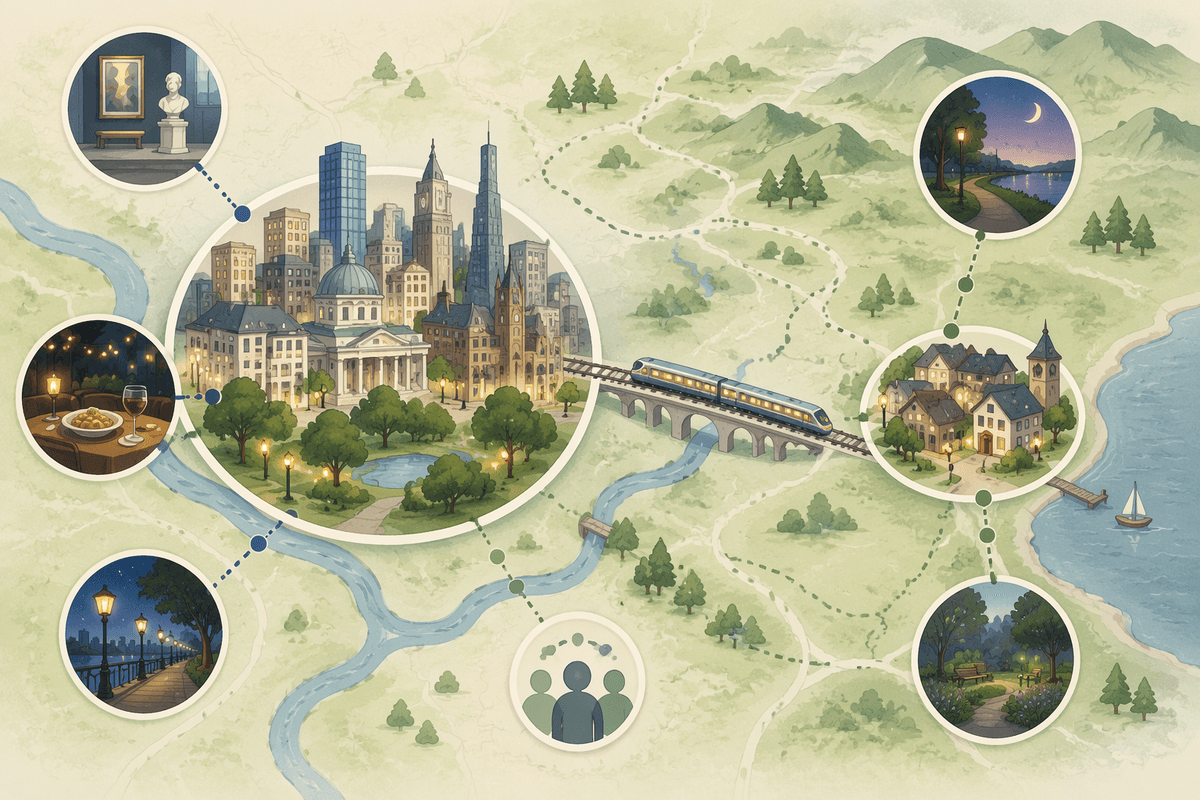
Start by choosing one “forgiving” base where spontaneity is cheap: a city with frequent trains, late meals, and enough neighborhoods that a sold-out museum doesn’t wreck the day (think Valencia/Lyon/Bologna rather than a tiny coastal village). Then add one calmer counterweight within 2–3 hours, ideally with simple return options—direct trains beat “perfect” scenery that requires a bus every 90 minutes. This combo works for loose planners; it’s less satisfying if you want to move hotels every other night, because every packing day quietly eats half a wander day.
Season decides what your shortlist should tolerate. In July and August, bias toward places that disperse crowds by design (bigger second-tier cities, cooler north coasts, lake towns where you can walk to dinner) and treat “iconic” as a day trip rather than a base. In shoulder months, you can push farther: the Baltics make financial sense, but you’ll trade rail simplicity for airport time; mountain regions feel calmer, but you’ll live inside earlier sunsets and thinner evening options. If two destinations excite you equally, pick the one with fewer transfers—your future selves will spend that saved hour on a long dinner instead of a platform.