You found a product, but fear getting burned
It usually starts with a product that feels “obvious”: the listing is clean, reviews look solid, and competitors seem to be selling it for twice what the supplier charges. Then the unease shows up. You’re not worried about building a website—you’re worried about what happens after someone pays you. With limited cash, one bad week of refunds can wipe out the ad budget, and a few late deliveries can turn into chargebacks that payment processors remember.
Before anything else, the question is whether your edge is real or borrowed. If the only reason the product looks profitable is a supplier’s price sheet, the burn risk is high: shipping times, packaging quality, and stock accuracy are outside your control, but the customer’s anger lands on your brand.
The promise of dropshipping looks almost too easy
The next temptation is how clean the math appears when inventory disappears. No warehouse, no bulk buy, no boxes in the hallway—just a storefront, a few ads, and a supplier that ships “for you.” In that frame, it’s easy to believe the only job left is picking winners and turning on traffic. The low startup spend feels like protection, especially when the alternative is tying up $1,500–$5,000 in stock that might not move.
But the “easy” version quietly assumes three things you haven’t earned yet: stable costs, stable conversion, and stable fulfillment. The ad platform can raise your cost per click overnight, the store can convert at 1.2% instead of the 2.5% you modeled, and the supplier can slip from 5-day to 12-day delivery the week you scale. None of those failures show up in the product research tab—they show up after spend is committed and customers are waiting.
That’s why the promise hooks so hard: the first spreadsheet looks like a business, while the first messy batch of orders reveals whether it’s actually an operation you can control.
Reality check: your “profit” isn’t actually profit
The first orders are where the spreadsheet starts lying. A $39.99 sale against a $18 supplier cost feels like a $22 “profit” until the store takes its cut, the payment processor takes its cut, and shipping or “handling” turns out to be higher for your destination mix than the headline rate you modeled. Then ads hit: even a modest customer acquisition cost can swallow what looked like plenty of room, and it often rises as audiences get saturated or the algorithm decides you’re done getting cheap clicks.
The missing line item is that you don’t just pay to get a customer—you pay for the messy edge cases. Returns that you can’t resell, reshipments for lost packages, address-change requests, and partial refunds to calm someone down after a late delivery all come out of the same pool. Chargebacks are worse: you lose the product cost, the revenue, and a fee, and too many of them can put your processor account at risk.
So the real check is simple and uncomfortable: after fees, ads, refunds, and “oops” costs, does one order still leave enough contribution margin to survive a bad week without starving the next week’s ad spend?
Choosing a dropshipping type changes your risk profile
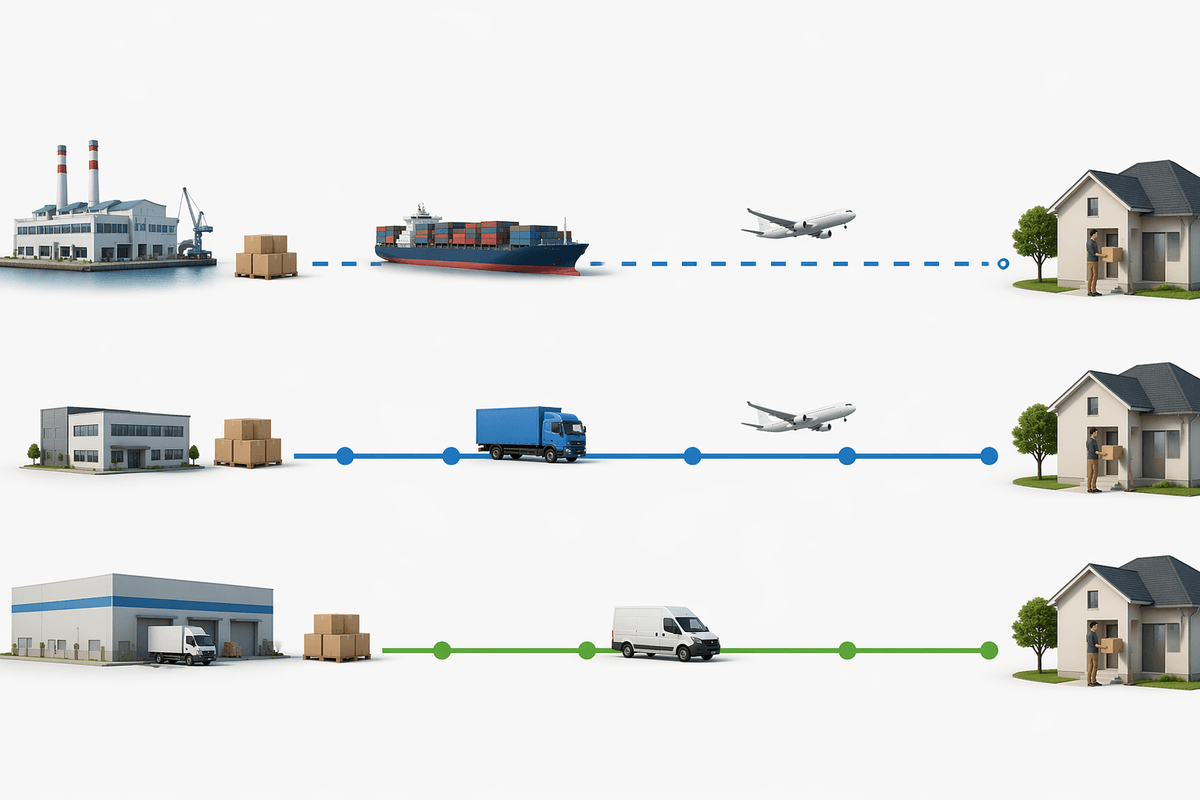
Once you accept that the contribution margin has to absorb chaos, the next decision stops being “which product” and becomes “which fulfillment structure can survive a rough month.” Classic marketplace-to-customer sourcing (the closest thing to “AliExpress-style”) keeps cash outlay low, but it concentrates risk in the places that create chargebacks: long transit times, inconsistent tracking, and packaging you never see. The first time a supplier swaps a variant or runs out of stock without warning, the margin you thought was safety turns into a customer service liability.
Agent or private supplier setups usually cost more per unit or require deposits, but they buy control: faster lines, better tracking, and clearer accountability when something goes missing. Local or 3PL-assisted “hybrid” models push you toward minimums and storage fees, yet they reduce the headline reputation risk because delivery promises become easier to keep.
The practical trade-off is simple: the less you prepay, the more you borrow reliability—and reliability is what protects your processor, ad account, and brand when orders spike.
Reputation risk shows up first in fulfillment details
Reliability stops being an abstract “supplier quality” question the moment your order confirmation email goes out. Customers don’t grade you on effort; they grade you on whether tracking scans, whether the carrier name looks legitimate, and whether the delivery window matches what your product page implied. If the first scan appears four days late, the support tickets start before the package even moves. With limited cash, that timing matters: a cluster of “where is my order” emails can force refunds while you’ve already paid for ads and the supplier.
The reputation damage usually comes from small operational details you didn’t negotiate: split shipments that look like missing items, substituted variants when stock is wrong, packaging that screams “reseller,” weak tracking that can’t win a dispute, or a return address in another country that makes returns effectively impossible. Those aren’t just annoyances—they raise chargeback probability, and processors tend to treat that as a store-level risk, not a supplier mistake.
Before you launch, pressure-test suppliers and policies

The next move isn’t adding products—it’s trying to break your own operation while the volume is still hypothetical. Ask the supplier for tracking screenshots from recent shipments to your main countries, and place a few paid test orders across variants, not just the “best seller.” If they can’t show consistent carrier handoffs or they dodge questions about stock sync and substitutions, assume the first scaling week will expose it. The cheapest supplier is rarely the cheapest after reships and dispute losses.
At the same time, pressure-test your policies like a hostile customer would. Write the shipping promise in plain numbers (not “7–15 days”), set a refund timeline you can fund, and define what happens on “delivered” but not received. If your return address or RMA process is vague, chargebacks become the default resolution.
Decide if this model fits your budget and temperament
After a couple of supplier tests, the decision usually stops being philosophical and turns into a cash calendar. If you can’t float ad spend plus supplier payouts for 7–21 days while refunds and disputes land whenever they want, dropshipping becomes a stress test, not a business model. The hidden constraint is that “low inventory” doesn’t mean “low working capital” once you factor in processor holds, slower payout schedules, and the occasional week where you pay twice (reship + refund) to protect your chargeback rate.
Temperament matters as much as budget. If late deliveries make you want to pause ads immediately, choose a structure with tighter fulfillment control, even if the unit cost is higher. If you can tolerate operational noise, keep the store small until you’ve seen stable contribution margin after a messy week—then scale only when a bad batch won’t force you into desperate policy changes.