The real choice: vibe over famous spots
At 11:43 p.m., I watched a couple bounce between “Maldives water villa” tabs and a spreadsheet labeled “PTO: 8 days,” hesitating over a flight that ate two full travel days. The photos were flawless; the routing wasn’t. That tiny mismatch—dreamy marketing versus the clock—usually decides whether a honeymoon feels luxe or just expensive.
For a 7–10 day trip on a $4–7k total budget, the real upgrade is picking a vibe you’ll actually use, not a place you’ll mostly transit through. Iconic islands buy you instant romance, but they also come with trade-offs: longer flights, tighter check-in windows, and a higher chance you pay “honeymoon tax” for rooms that are merely fine. Lesser-known alternatives can feel just as polished if you prioritize what creates luxury for you—privacy, walkability, and reliable comfort—over the name on the boarding pass.
Think in pairs of questions: do you want “quiet + water” (and can you handle windier shoulder seasons), “mountains + lake” (and the cooler nights that make hot tubs worth it), or “city + escape” (where you trade a beach for great food and easy day trips)? If you’re short on PTO, choose places with one-connection flights and short transfers; if weather certainty matters most, pay for the more predictable season even if the destination is less famous.
Quiet beach escapes beyond the obvious
I zoomed in on a coastline that looked empty on the map, then noticed the only road ended in a ferry icon and a note: “last departure 5:10 p.m.” The beach was the easy part; the transfer was the tax. If you’ve got limited PTO, the quietest sands aren’t always the smartest ones.
For “secluded but still comfortable,” I’d shortlist three lanes. Anguilla gives you calm water and low-rise luxury without the mega-resort feel; it’s best for couples who’ll pay a bit more per night to avoid crowds, and it works when you can land early enough to dodge an overnight on the connection. Vieques, Puerto Rico is the opposite trade: easier budget math and no passport, but ferries and rental-car inventory can bottleneck fast—book those before you fall in love with a villa photo. Los Cabos’ East Cape (not the party corridor) is a strong “short-flight, big-hotel-bathroom” pick, though swimmable beaches are less guaranteed; it’s for couples who value spa/food over floating all day.
The hurricane season (late summer/early fall) can mean better prices but more weather roulette, while winter brings steadier skies and higher minimum stays. If you want quiet without feeling stranded, pick one friction you’ll tolerate—an extra connection, a rougher swim, or earlier planning—and let that decide the beach.
Mountain and lake retreats for two
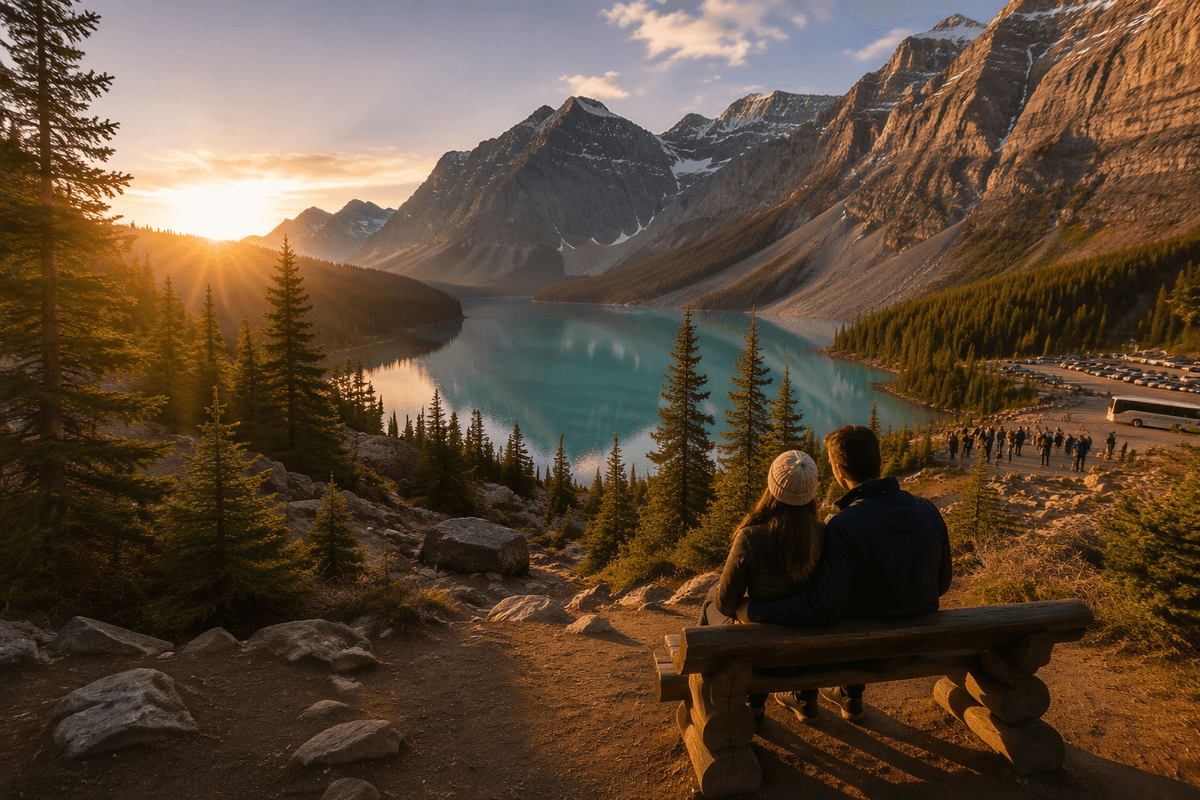
At 6:18 a.m., I stood in a lodge lobby watching wet boots queue for the only espresso machine, realizing “mountain romance” can look a lot like a ski-weekend turnover if you arrive on the wrong day. The room was perfect—fireplace, lake view, the whole brochure—but the parking lot said Friday check-in. If you’re trying to keep this trip feeling private, timing beats scenery.
For a mountains-and-water honeymoon that still reads luxe, I like destinations where the logistics are simple and the views feel earned. Lake Como’s quieter towns (Varenna/Menaggio over Bellagio) trade name-brand nightlife for calmer mornings and easier table reservations; it works best in late spring or early fall when you can walk without baking, and it’s less ideal if you need guaranteed pool weather. Banff + Lake Louise is the opposite equation: short-ish flights from the US and world-class scenery, but you pay with crowd flow—shuttles, timed parking, and peak-season pricing—so it’s best for couples who’ll book early and don’t mind sharing viewpoints for an hour to have the evening mostly to yourselves.
If you want “alpine” without Europe flight time, Lake Tahoe (north shore) or Lake Dillon/Frisco in Colorado can feel surprisingly honeymoon-grade when you spend on the room (lakefront, balcony, hot tub access) and keep the itinerary light. You lose the stamp-on-the-passport buzz, but you gain usable days—late breakfasts, a short hike, a slow dinner—without budgeting half the week for transit. If you’re torn, pick the place where you can arrive before dark; nothing kills the mood like checking in after the restaurant kitchens close.
Wildlife and adventure that still feels luxe
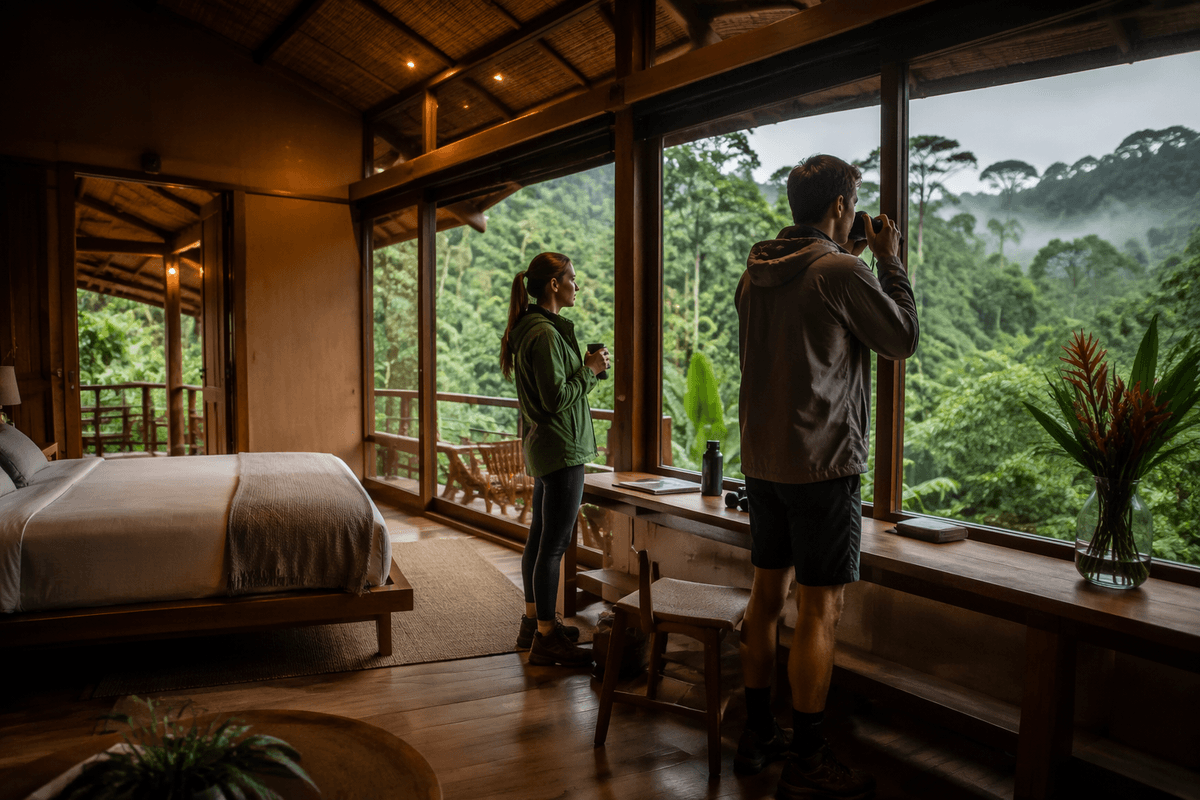
At 5:36 a.m., the guide whispered “tapir,” and we froze on a damp boardwalk while the canopy dripped from last night’s rain. It felt like a private screening—until my phone reminded me we had a 9:10 pickup for the next lodge, and the “easy transfer” was actually two hours of winding road. That’s the wildlife honeymoon trade: the moments are cinematic, but the timing is less forgiving than a beach resort.
If you want adventure that still reads luxe, Costa Rica is the cleanest “high-comfort, high-nature” play: pick a paired stay (2–3 nights cloud forest + 3–4 nights beach) and spend on the lodge so you’re not roughing it between excursions. It works best in the drier months when trails are usable and you’re not repacking damp clothes; it’s not ideal if you hate early wake-ups, because wildlife runs on its own schedule. Belize is a sharper value: reef + jungle in one trip, with great guides, but the trade-off is smaller-room inventory and more reliance on short hops/boats—romantic when it’s smooth, stressful when the weather turns.
For a “wow” that doesn’t require crossing half the planet, the Azores (whale watching + hot springs) hits a rare balance: dramatic nature, boutique hotels, and dinners that feel celebratory without a resort wristband. The whales aren’t a year-round guarantee—so if your PTO dates are fixed, let the best wildlife window choose the destination, not the other way around.
My picks by budget and season
At 9:07 p.m., I had two booking tabs open—one with a “romantic suite” that jumped $280 the moment I selected a Saturday, another with a midweek flight that landed at 6:40 p.m., too late for the last easy transfer. The photos were equally convincing; the timing wasn’t. That’s usually where the “luxe vs. stressful” line gets drawn, especially when you’ve only got 7–10 days to spend.
If you’re trying to keep the total trip in the $4–5k range, aim for fewer moving parts: Vieques in Jan–Apr (best weather, higher prices) works when you lock ferry/flight + car early and treat the bioluminescent bay as your “big wow” instead of a five-stop itinerary. For $5–7k, you can buy comfort where it matters: Azores in May–Jun (greener, changeable) or Sep (quieter, riskier seas) is ideal if you’ll trade guaranteed beach days for hot springs, whale chances, and boutique-hotel pacing.
Season is the quiet decider. Late summer/early fall can discount the Caribbean, but it asks you to tolerate weather roulette—better for couples who can stay flexible on excursions and won’t spiral over a stormy afternoon. If your PTO is immovable and you want the least planning friction, go where the transfers are simple: Los Cabos’ East Cape in Nov–Mar for spa-and-food luxury (with the swim trade-off), or Montréal + Charlevoix in Sep–Oct when it’s crisp enough to feel special without needing a pool. Pick the version of romance you’ll actually use at 10 p.m.—a calm walk, a hot tub, a late dinner—and let that narrow the list fast.