Seychelles isn’t expensive—you just plan wrong
I was halfway through a booking tab frenzy—Skyscanner, a half-filled spreadsheet, and one guesthouse quote that wanted £240 a night—when I hovered over “close” and nearly wrote Seychelles off as honeymoon-only. The detail that tipped it from panic to puzzle was the fine print: breakfast extra, taxes separate, and the “beachfront” pin nowhere near the sand. It felt like London hotel math in a tropical costume.
Seychelles isn’t cheap in the way a £25-a-night Balkan city can be cheap, but it’s also not automatically resort-expensive; the overspend usually comes from choosing the wrong base, the wrong week, and the wrong kind of “convenience.” If you chase a private-villa fantasy, you’ll pay for it. If you’re here for clear water and snorkel time, you can trade room size and hotel polish for location, walkability, and a fridge that lets you skip restaurant pricing when you’re tired.
The planning mistake I see (and make) is treating every island day like a one-off tour day: taxis, last-minute ferries, and whatever room is left. For an 8-day break, timing becomes the budget lever—miss one connection or book transfers late and you’ll burn a whole snorkel morning paying to move. Build the trip around two bases max, then spend on the parts that actually feel like “Seychelles”: water access, fins, and time in the lagoon.
Pick dates that cut prices fast
I was looking at a Tuesday departure in late July and the prices snapped upward while I refreshed, like the website was punishing my indecision. One week earlier was £180–£300 cheaper on the same route, but it landed me on Mahé at 06:10—great for beating queues, brutal if you’ve had three hours’ sleep and still need a bus plus a check-in window. That tiny shift made it obvious: for Seychelles, dates aren’t a detail; they’re the switch that decides whether you’re “mid-budget” or quietly bleeding money.
If you’re travelling on an 8-day summer break, treat your dates like a negotiation with school holidays. Late July through August is the squeeze: flights fill, guesthouses tighten their minimum stays, and “only option left” prices creep in. Aim for the shoulder weeks around the edges instead—early July or early September—when the sea is still clear enough for snorkelling, but you’re not competing with peak-family demand every night. The shoulder season can mean windier afternoons and choppier boat days, so plan your best snorkel beaches for mornings and keep one flexible buffer day.
Practically: lock your start/end dates first, then build a 3–4 day price grid around them (Mon–Thu departures often undercut weekends). If the cheap flight lands too early or too late, cost it honestly against one extra night near the airport versus losing a full day to fatigue and transfer timing. This is one place where “saving” £120 can cost you two snorkel sessions.
Win the airfare from day one

I had a fare alert ping at 23:18—London to Mahé looked “good,” until the details tab showed a 19-hour layover and a separate-ticket hop that would void any missed-connection protection. The cheapest line on the chart also assumed cabin baggage only, which is fine until you remember mask, fins, and the kind of sunscreen you don’t want to gamble on finding last-minute. I left it open, made tea, and did the boring comparison that saves you real money: total travel hours versus the first usable snorkel day.
Start by deciding what you’re willing to trade: one-stop versus two, and a tidy daytime connection versus an overnight that forces you to pay for a hotel (or lose sleep and arrive wrecked). From London, I’d price both Heathrow and Gatwick, then compare against a positioning train/coach to another UK airport only if the savings survive after baggage and a buffer night. It works best for solo travellers who can move fast; if you hate uncertainty, pay a bit more for a single ticket with protected connections.
Then set alerts with rules, not hope: track 3–4 date pairs, watch the “same airline, same ticket” versions first, and treat add-ons like part of the fare. If checked baggage adds £80 each way, that “£520 bargain” is really £680. When you see a sensible one-stop drop into your range, book it and stop chasing perfection—your spreadsheet can’t snorkel for you.
Stay, eat, and shop like locals
I remember standing in Beau Vallon with a takeaway box sweating through the paper, watching a couple drift from a resort shuttle straight into a candlelit restaurant. My dinner was a grilled fish plate and rice from a snack kiosk, eaten on a low wall while the light went silver on the bay. It wasn’t “honeymoon energy,” but it was warm, quick, and cost the kind of money that still lets you snorkel tomorrow.
To stay like a local (and keep your budget intact), you want a guesthouse or self-catering studio with an actual fridge, not a “kitchenette” that’s really just a kettle. The trade-off is obvious: you’re swapping pool loungers and lobby polish for walkability and the ability to make breakfast when you wake up early for calm water. This setup works best if you’re solo and happy to repeat a base—one good room for 4–5 nights beats two “deal” rooms that force extra taxis and awkward check-in gaps.
Food and shopping are where Seychelles quietly punishes convenience. Supermarkets and small takeaways keep you sane on tired days, but timing matters: arrive late and you’ll end up paying restaurant prices because you missed the decent options. I’d buy breakfast basics (fruit, yoghurt, bread), then spend on one proper meal when it feels worth it—fresh fish, a curry, something you can’t replicate with a kitchenette. Skip souvenir shops near the beach if you hate markups; pick up snacks, sunscreen backups, and simple extras in local stores, then carry them with you so you’re not buying them at “captive audience” prices.
Move between islands without overspending
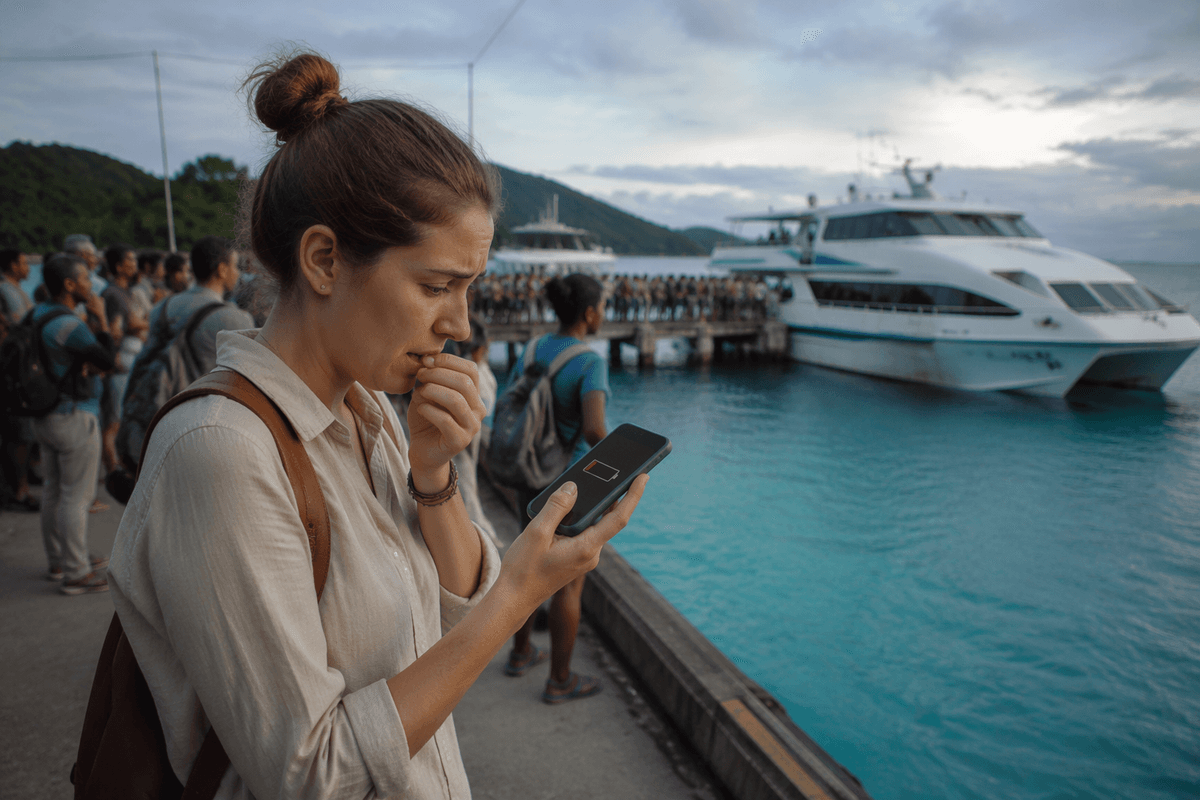
I had the ferry site open on my phone with 12% battery, watching the 09:00 Mahé–Praslin sailing sell down to a few seats while my guesthouse messaged, “Check-in after 14:00 only.” The price difference between “book now” and “leave it a day” wasn’t huge, but the timing penalty was: miss the morning boat and you lose the calm-water snorkel window, then pay more for a taxi because you’re rushing. That’s how island-hopping becomes an accidental luxury.
For an 8-day solo trip, the cheapest transport plan is usually the least romantic: pick two islands, not three, and make one move mid-trip instead of bouncing around. The Cat Cocos ferry is typically better value than a hop flight, but it trades money for energy—rough crossings can wipe you out, and your first afternoon can vanish to nausea and recovery. Flights save time (and sometimes sanity) but punish you with baggage rules and “small mistake” costs if your international arrival is delayed.
What works best is building your days around fixed departure times, not vibes. If you’re basing on Praslin, La Digue is an easy day-return when you start early; it’s cheaper than sleeping there once you factor extra transfers and check-in gaps. On Mahé, buses beat taxis for short hops, but only when you’re not hauling wet snorkel gear at dusk—plan your “bus days” for daylight, and let yourself pay for the occasional taxi when the alternative is missing the last connection.
My best affordable Seychelles itinerary
On my second spreadsheet pass, I dragged “inter-island move” from Day 3 to Day 5 and watched the plan instantly stop fighting itself. The concrete snag was check-in timing: a 09:00 ferry plus a 14:00 room window can strand you sweaty with a backpack, paying for lunch you didn’t want. I wanted the calm-water snorkel hours in the mornings, not spent staring at a departure board.
Here’s the 8-day version that behaves on a mid-budget: base 4 nights on Mahé (Beau Vallon area works if you like bus access) and 3 nights on Praslin, with La Digue as a day trip. Days 1–2: recover from the flight, do a “near-base” snorkel beach in the morning, supermarket run by late afternoon (if you arrive too late, you’ll overpay for dinner). Day 3: one longer Mahé bus day, knowing it’s slower than taxis but cheaper if you’re not racing sunset. Day 4: buffer for wind/boat cancellations; it’s the insurance day that saves the rest.
Day 5: early ferry to Praslin; accept you’re trading comfort for value, and keep seasickness tablets handy if swell is up. Days 6–7: Praslin mornings for snorkeling, one La Digue return day (start early to dodge crowds and bike fatigue). Day 8: back to Mahé only if your flight timing forces it. A workable solo daily spend: £55–£85 on self-catering days, £95–£130 if you add a tour/taxis—pick which days earn the splurge, then let the rest be deliberately boring.