Boston’s big promise: history you can taste
The first real decision hits before you’ve even had coffee: do you start the Freedom Trail at Boston Common with everyone else, or flip it and begin in the North End so you can “earn” lunch with your steps. Both work, but the timing changes everything—early mornings buy you quieter photos and faster museum entry, while late starts make you pay in lines and cramped sidewalks.
Boston’s best trick is that the history isn’t sequestered behind ticket counters; it’s threaded through neighborhoods where you’ll already want to eat. That’s efficient for a long weekend, but it also tempts you to cram in too many stops between meals and end up rushing the very sites you came for.
A useful mindset: pick one anchor each day—a heavy history block or a standout meal—and let the other be flexible. Reservations and weather will push your schedule around, and Boston punishes stubborn itineraries more than most walkable cities.
Pick your history lane: Revolution, immigration, or academia
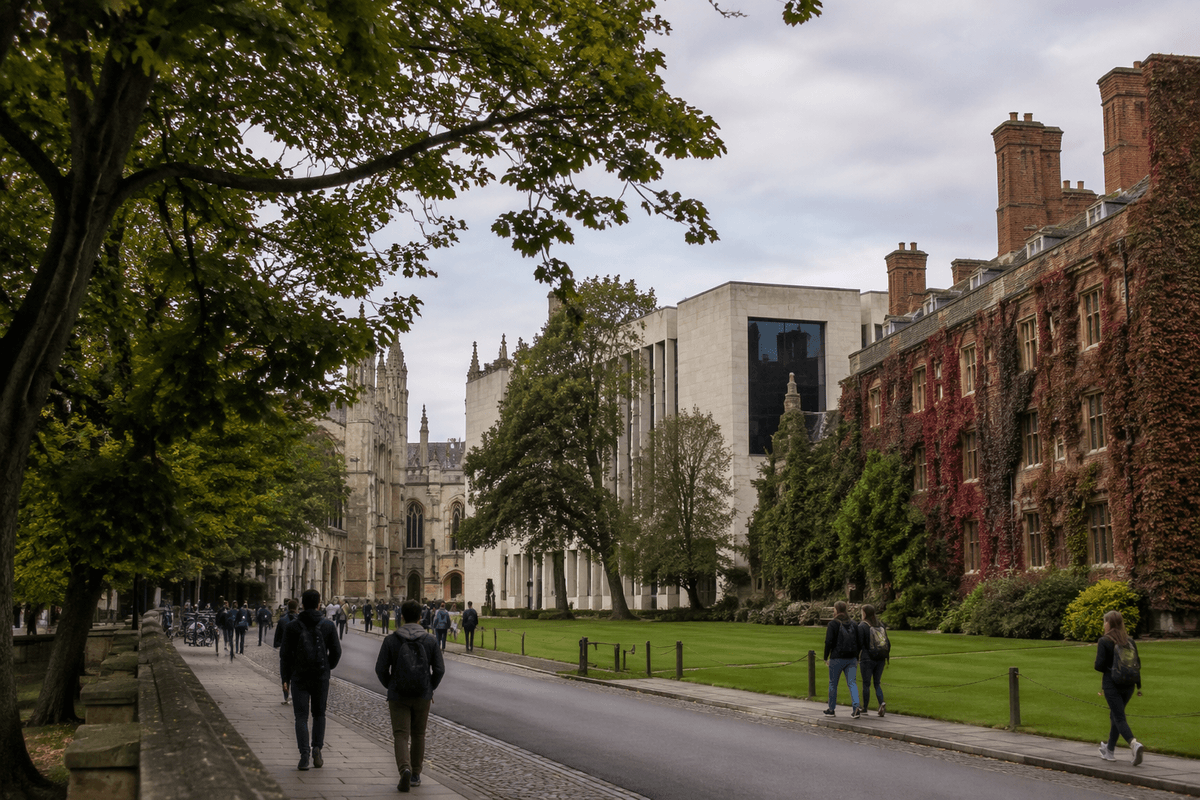
Standing at the first cluster of plaques and brickwork, it’s easy to assume you should “do it all.” Boston goes better when you pick a lane for each day: Revolution, immigration, or academia—then let food follow that geography. If you try to mix all three before dinner, you’ll spend more time backtracking on the T than actually absorbing anything.
If you want the iconic Revolutionary arc, keep your footprint tight: the Freedom Trail sites stack neatly, but the constraint is attention span—after two or three interiors (Old State House, Paul Revere House, a church), they start to blur. Build in one paid stop and treat the rest as exterior context, or you’ll lose an hour to ticket lines and roped-off rooms.
For the immigration story, aim your energy at the North End plus the edges of downtown; it pairs naturally with a long lunch, but the friction point is crowds—weekends can turn Hanover Street into a slow shuffle. Academia is the Cambridge day: a quick Red Line hop buys you calmer streets and longer-form institutions, though it’s less “wow, I’m in 1776” and more “I could stay here all afternoon,” which only works if you’re okay sacrificing a second big dinner reservation back downtown.
Walkable historic core: Freedom Trail and beyond
I realized the Freedom Trail only feels “long” when you treat every stop like an appointment. The better play downtown is to walk it as a spine, not a checklist: keep moving, duck into one or two interiors you genuinely care about, and let the rest be exterior context you absorb at street speed. If you start mid-morning, the constraint isn’t distance—it’s congestion. The Common-to-Faneuil Hall stretch can bottleneck fast, and you’ll either slow-walk behind tour groups or start weaving and missing details.
For first-timers, I’d choose one paid/history-heavy anchor (Old South Meeting House or Old State House) and one small, human-scale stop (Paul Revere House) rather than stacking museums back-to-back. The trade here is depth versus momentum: too many ticketed interiors turns your day into line management, but skipping all interiors makes the Trail feel like “pretty bricks” without the story landing. If weather turns, don’t panic and flee to a far museum—use nearby cover that doesn’t force a transit reset: Faneuil Hall Marketplace for a quick warm-up, then back outside when the rain softens.
Beyond the red line, the best “extra” is the Charlestown leg (Bunker Hill and the USS Constitution), but it only works if you commit to the walk over the bridge. Taking the T or a rideshare saves steps, yet it breaks the narrative flow and costs time in transfers. If your legs are fading, stop at the Navy Yard and call it—pushing all the way to the monument late afternoon can feel like doing homework after dessert.
Eat like Boston: classics, seafood, and modern New England
The moment I stopped pretending I could “wing” Boston meals was when I watched a perfectly reasonable lunch idea dissolve into a 45-minute line on a Saturday—right as my Freedom Trail energy was peaking. In a 3–4 day weekend, food isn’t a bonus; it’s the pacing tool. The constraint is that the most iconic options cluster exactly where everyone else is walking, so spontaneity works best for quick bites, not for the meal you’ll remember.
For classics, I treat the North End like a deliberate choice: it’s rewarding when you go early (or on a weekday), but it can feel like you’re queuing more than eating if you show up hungry at 7:30 p.m. after a full Trail day. If you want the “Boston seafood” hit, prioritize one focused meal—raw bar or a simple lobster roll—over chasing three different versions; the diminishing returns are real, and the cost adds up fast for what’s basically bread and cold lobster. The other decision is sit-down versus counter service: a reservation locks in a calmer evening when your feet are done, while a quick lunch keeps you mobile but can leave you snacking your way into an accidental second dinner.
Modern New England is where Boston quietly wins, but it asks more planning: smaller dining rooms, tighter reservation windows, and less patience for walk-ins. If you’re choosing between a buzzy Seaport dinner and something closer to downtown, factor in the friction of getting there—an extra transit hop late can feel minor on paper and exhausting in practice. My best meals here came from picking one “booked” night and letting the other evenings stay flexible for whatever neighborhood I ended up lingering in.
Neighborhood pairings: sights and meals that match
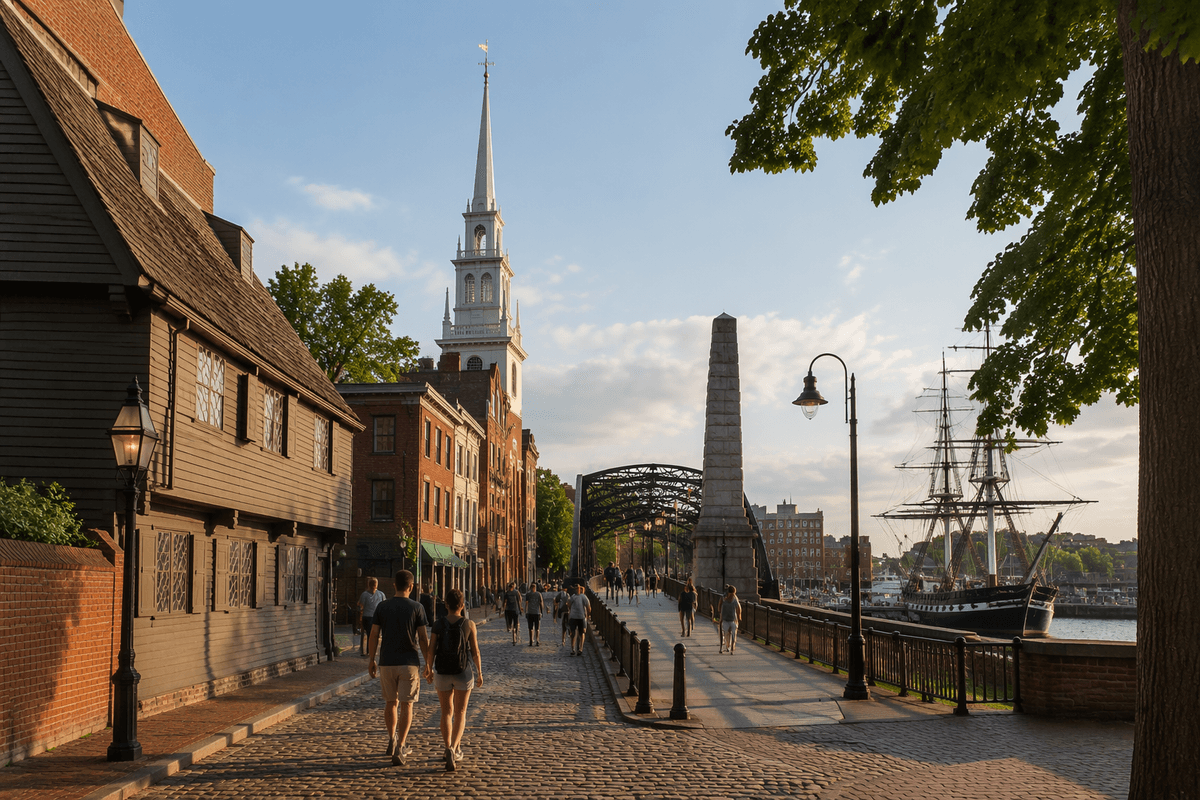
I felt the temptation to “just pop over” to Seaport after a North End afternoon—until I mapped it and realized I’d be spending my best energy on transit friction instead of either view or dinner. Boston rewards pairing neighborhoods so your feet (and your reservation time) aren’t fighting each other. If you’re staying downtown without a car, the fastest wins come from letting one subway ride or one long walk define a half-day, then eating nearby.
North End + Charlestown is the most natural history-to-meal combo: do Paul Revere House and Old North Church earlier, then walk the bridge to the Navy Yard if your legs are good. It’s satisfying, but weekend crowds can slow Hanover Street into a shuffle, so build in a “backup” meal that isn’t line-dependent—think an early dinner or a slightly off-peak lunch instead of a prime-time table hunt. If you’re already tired, flip it: Navy Yard first, then reward yourself back in the North End where you can sit down.
For a cleaner, less crowded rhythm, go Beacon Hill/Common/Public Garden in the morning, then Back Bay for a planned lunch or coffee stop—less iconic-food pressure, more reliable pacing. Save Seaport for a single, intentional evening: it’s newer, shinier, and often a standout meal, but the effort-to-reward only pencils out when you commit to it rather than tacking it onto a packed day.
Timing and logistics: reservations, transit, and weather-proofing
The first time my timing plan broke was embarrassingly simple: I’d penciled in “North End dinner” like it was a guaranteed outcome, then hit the post–Freedom Trail wall at 6:45 p.m. and realized every place I actually wanted was either booked or quoting a wait long enough to eat my whole evening. For a 3–4 day weekend, pick one “must-sit” reservation per day at most—lunch if you hate evening crowds, dinner if you know you’ll be too tired to improvise. The moment you try to lock every meal, you lose the flexibility you’ll need when a museum line runs long or you linger somewhere unexpectedly.
Transit is easy until it isn’t: downtown-to-Cambridge is usually a clean Red Line hop, but adding “just one more neighborhood” late in the day is where plans start to fray. I’d rather commit to a longer walk once (Common → North End → Charlestown) than stack multiple short T rides that require waiting, transfers, and a mental reset. If you’re debating Seaport, treat it as an evening destination—not an add-on—because the extra trip back downtown after dessert is the part you’ll resent.
Weather-proofing works best when you stay local, not when you flee. If rain or wind hits, use it to swap in an interior that’s already on your path (a ticketed history stop, a long lunch, a market warm-up), then step back outside when the squall passes. Boston’s weather can change fast; the mistake is burning 30–40 minutes relocating just to be indoors.
Leave with a story: your best Boston day defined
My best Boston day was the one I stopped “covering ground” and started protecting two moments: a clean morning walk where the story could land, and one meal I didn’t have to fight for. Once you decide which of those matters more to you—quiet, coherent history versus a sit-down dinner you’ll talk about later—the rest of the day gets easier to edit. If you keep trying to upgrade every hour, you’ll feel it in your feet by late afternoon, and the evening becomes damage control instead of a finish.
If you want a simple rule that actually holds: plan one anchor you’ll pay for (either a ticketed interior or a reservation), and let everything else be “walk-until-it-feels-right.” That flexibility is what absorbs the real frictions—tour-group bottlenecks, a line that suddenly isn’t worth it, weather that turns a brisk stroll into a fast march.
When you’re choosing what to skip, skip the thing that forces a transit reset late. Leave with one clear story, not a tired list.