The real choice: base vs roam
I hesitated with the map open at 11:40 p.m., dragging the pin between a Las Canteras studio three blocks from the sand and a Vegueta flat that looked cheaper—until I zoomed in and realized “15 minutes” meant a different bus, a different hill, and a different daily rhythm. The listing photos were identical in tone: white walls, a tiny desk, “fast Wi‑Fi.” The problem was the commute you don’t notice on day one.
For five weeks, the real decision is whether you want a stable base that makes weekdays effortless, or a roam-heavy plan that burns time and money in small bites. Las Canteras works if your ideal workday includes a quick ocean break, plenty of cafés to rotate through, and the option to walk home when the wind picks up—at the cost of higher rents and more competition for good desks and quiet. Vegueta (and Triana nearby) rewards you with architecture, museums, and a calmer evening feel, but it’s less “pop out for a swim” and more “schedule the beach,” especially if you’re carrying a laptop and a towel.
I’d treat moving apartments as a last resort: cleaning fees, deposit holds, and half-days lost to keys add up fast. A simple compromise is to base where your weekdays feel easiest, then “roam” with 1–2 nights elsewhere only when the trip is the point (not just a change of scenery).
Week 1: choose your neighborhood
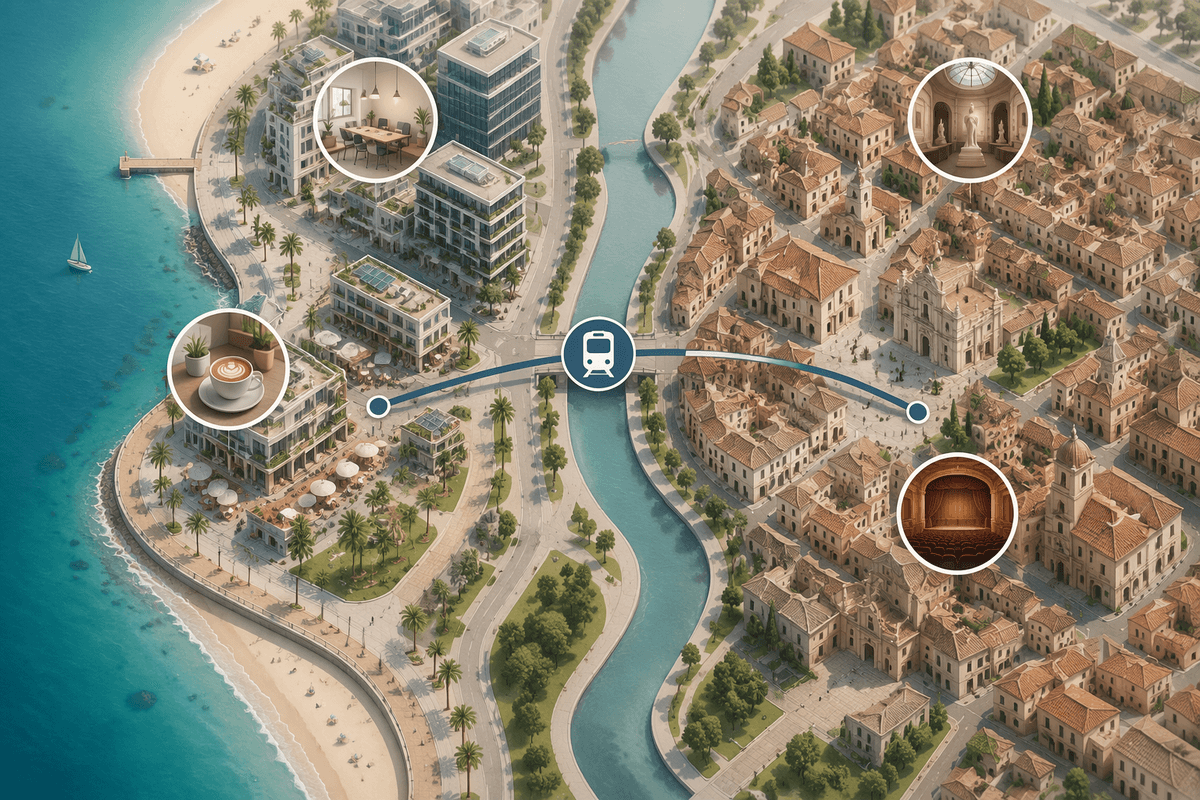
I stood at the corner by Santa Catalina with my phone at 9% and a grocery bag cutting into my hand, trying to decide if I was really going to walk “just ten minutes” to view another place near the port. The street noise felt fine for a quick coffee, but I kept imagining it at 2 p.m. on a Tuesday, headset on, window open because there’s no AC. Week 1 is when you notice the unglamorous stuff: whether the pavement route to the beach is pleasant or annoying, and how far you’ll actually carry water, fruit, and a laptop.
If you’re a mid-budget remote worker, I’d use the first seven days like a controlled test instead of a romance tour. In Las Canteras, split your mornings between a couple of reliable Wi‑Fi cafés (go early; tables with outlets disappear faster than you expect) and at least one coworking day to see if you can buy quiet when the promenade gets loud. The best “workable” studios near the sand cost more, but they save you daily friction—like timing swims around buses or arriving salty to a museum.
Vegueta/Triana can still work, just for a different personality: people who want culture as the default and don’t mind scheduling the beach in blocks. Try one weekday where you work from Triana, then do Las Canteras late afternoon; compare the fatigue and transit patience, not the Instagram factor. By day five, pick your base and stop touring—your brain needs repetition more than optionality.
Week 2: city beaches and routines
I paused at 8:12 a.m. with sand still on my ankles from the night before, watching the first surfers near La Cícer and debating whether to open my laptop in a café or just take the ocean while it was empty. By 10:30, the promenade had that “everyone had the same idea” energy, and the quiet tables with outlets were already spoken for. Week 2 is when Las Canteras stops being a postcard and turns into a schedule.
If you based near the beach, treat weekdays like a loop you can repeat without thinking: early swim or walk, focused work block, then a late-afternoon dip when the light softens. The trade-off is crowd flow—midday Canteras can feel like a moving sidewalk—so this rhythm works best if your meetings are late morning and you can dodge the peak. If you’re in Vegueta/Triana, the routine flips: do your deep work first (it’s calmer inland), then “commute to the water” as a reward, ideally after 4 p.m. when buses feel less like a group project.
I’d cap city-beach variety to two “anchors” this week: one Canteras spot you’ll return to even when it’s windy, and one backup plan for days you can’t face the promenade (a quieter café, a coworking day pass, even a shaded park bench with hotspot). Chasing a new beach vibe every day sounds efficient, but it eats time in tiny transfers—wet clothes, towel logistics, sunscreen, and the constant question of where to stash your bag. By Friday, you should be bored in a good way, because that’s when day trips start to feel like a choice, not an escape.
Weeks 3–4: island escapes and hikes

At 6:35 a.m. on a Wednesday, I watched the bus app refresh like it was negotiating with me: one connection, then a long pause in a roadside town, then another bus that didn’t quite line up. My daypack had a laptop I hoped not to open, a light jacket (the “it’s always warm” myth dies fast in the interior), and a banana I’d already bruised in transit. Weeks 3–4 are when Gran Canaria rewards planning—but punishes improvisation.
If you want hikes like Roque Nublo, Pico de las Nieves, or the Tejeda area without turning it into a full-day logistics project, pick your trade-off early: car for flexibility, bus for budget. Buses work, but they’re timing-sensitive; miss one connection and your “quick hike” becomes a sunset sprint back to Las Palmas. A car compresses the day and lets you detour through miradores, but parking near popular trailheads can be a competitive sport by late morning.
I’d schedule one “mountains day” midweek (less crowd pressure) and one coastal escape on the weekend (Agaete natural pools or the south coast if you need guaranteed sun). For remote work, that rhythm matters: hiking days take more out of you than you expect, especially with wind and elevation, so don’t stack them before a meeting-heavy Thursday. If an overnight is in the budget, one night in a hill town (Tejeda) or Agaete buys you time—then you can come back to your base feeling like you left the island, not just your desk.
Week 5: food, culture, slow days
At 7:18 p.m. I hovered outside a packed little place in Triana, phone in hand, trying to decide if I had the patience to wait for a table or if I should just walk back toward Las Canteras and eat somewhere I already knew. The museum I’d planned had closed earlier than my brain remembered, and the bus I almost took would’ve dropped me a few uphill blocks from where I actually wanted to be. Week 5 is when small timing mistakes feel louder, mostly because you’re tired of optimizing.
This is the week I stop treating meals like “research” and start repeating what works: two or three dependable lunch spots near your work radius, one sit-down dinner in Vegueta/Triana when you have the energy for streets that aren’t flat, and a couple of market-style grazes when you’d rather not commit. The trade-off is obvious—sticking to favorites is less exciting—but it’s also how you avoid spending €18–€25 on yet another decent-but-not-memorable meal just because you were hungry at 9:30.
Culture fits better in Week 5 as short, low-friction blocks: a museum or cathedral visit on a cloudy morning, then back to your base before your afternoon call, instead of a big “historic day” that forces you to eat wherever tourists eat. If you’re based in Las Canteras, plan one or two inland evenings and accept the commute home; if you’re in Vegueta, do the opposite and claim a few late swims as your reward. By now, the right pace is the one that leaves you slightly underbooked—and okay with it.
My simplest 5-week game plan
On a Sunday night around 9:30, I caught myself color-coding a calendar that didn’t deserve that level of effort, while my rental host waited for a yes/no on a late checkout. Five weeks sounds roomy until you realize you can burn two of them “deciding” where to sit with a laptop. I deleted half the pins and wrote a plan I could follow even when I was tired.
Week 1: pick a base and lock it—Las Canteras if you need beach breaks to keep weekdays light, Vegueta/Triana if you work better in quieter streets and treat the ocean as a scheduled reward. Week 2: build a repeatable loop (early walk/swim, one reliable café slot, one coworking fallback) and stop hunting novelty at lunchtime; it saves money the same way it saves attention. Weeks 3–4: two bigger island days total is enough for most remote workers—one midweek mountains/hike day (less crowded, easier parking/bus timing) and one weekend coastal reset—otherwise your “adventure” starts competing with your meetings.
Week 5: soften the edges—short culture blocks on cloudy mornings, a couple of inland dinners if you’re beach-based (or late swims if you’re historic-core-based), and one intentional slow day with no transit. If you’re tempted to move apartments late, price the fees and half-day disruption first; a single overnight elsewhere usually scratches the itch. Then commit to the version that makes Tuesday feel easy.