The real question: which Lithuania will you meet?
I hesitated over the Baltics map at 11:47 p.m., cursor hovering between “add Vilnius” and “just do Riga + Tallinn.” On paper, Lithuania is the same tidy block of color as its neighbors; on the ground, it can feel like two different trips depending on where you land. Even your first decision—Old Town hotel inside the ring road vs a cheaper spot across the river—changes how “easy” it seems when you’re walking home after dinner.
The real question isn’t whether Lithuania is “worth it,” it’s which Lithuania you’ll meet: a compact, café-and-churches city break that rewards slow wandering, or a nature-forward detour where the best moments involve buses, ferries, and timing the wind. If you’re the couple that loves walkable streets, late breakfasts, and history you can touch, Vilnius (and a day trip or two) can outperform expectations for the time spent. If your ideal highlight reel is dunes, pine forests, and long horizons, you’ll trade convenience for payoff—and you’ll feel it in travel hours.
That trade-off matters on a 7–9 day add-on where flights are booked early and details come later: Lithuania is forgiving in the city, less so on the coast. It suits planners who can anchor two or three nights in one base and build outward; it’s tougher for checklist travelers trying to “do” Vilnius, Kaunas, and the Curonian Spit in quick succession without losing daylight to transit.
Why BBC Travel put Lithuania on it
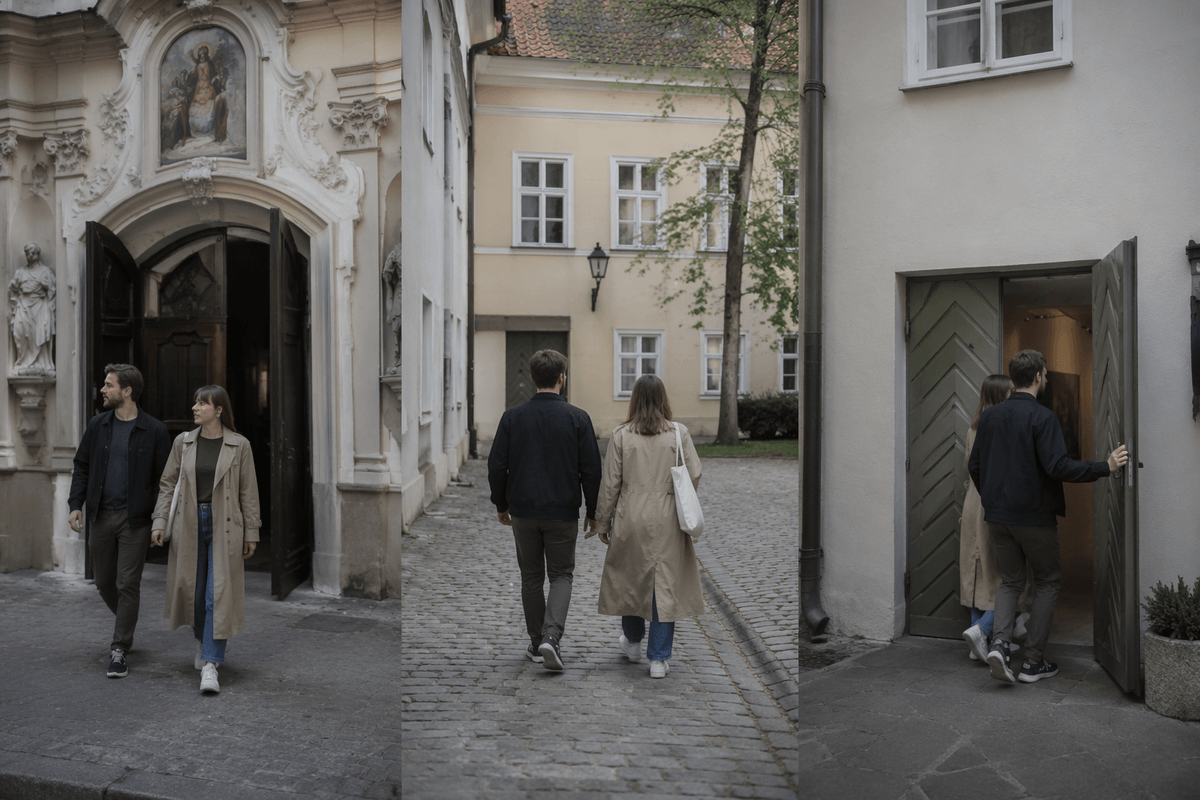
I felt the BBC Travel glow hit the moment I tried to turn it into a route: Sunday night, three tabs open, and a bus timetable that made the coast look closer than it is. “Must-go” reads clean on a list; it gets messier when you’re choosing between a fourth night in Vilnius or a long transfer to chase dunes. That little planning snag is part of the point—Lithuania’s appeal isn’t a single headline sight, it’s the shape of the trip you’re willing to accept.
Compared with Riga’s Art Nouveau hit and Tallinn’s medieval postcard coherence, Lithuania tends to win on texture: baroque streets that feel lived-in, a modern cafe culture that doesn’t price you out, and history that’s less packaged for a two-hour stroll. It rewards couples who like to walk without a strict checklist—church to courtyard to lunch to a small museum—because the “best” moments aren’t always the ones you circled beforehand. It can look understated if you’re hunting for instant spectacle that runs on rails.
BBC-style praise makes the most sense if you give it time to breathe: three nights in Vilnius with one day trip feels richer than trying to sample Vilnius + Kaunas + the Curonian Spit in quick succession. Nature is the trade-off zone—worth it, but not frictionless—especially if you’re traveling outside peak summer when ferries and connections can thin out. If your bigger Europe trip already has big-ticket cities, Lithuania fits as the “slower, cheaper, more tactile” counterweight; if you’re tight on days and hate transit, keep it city-first and let the coast go.
Vilnius: baroque calm, modern edge
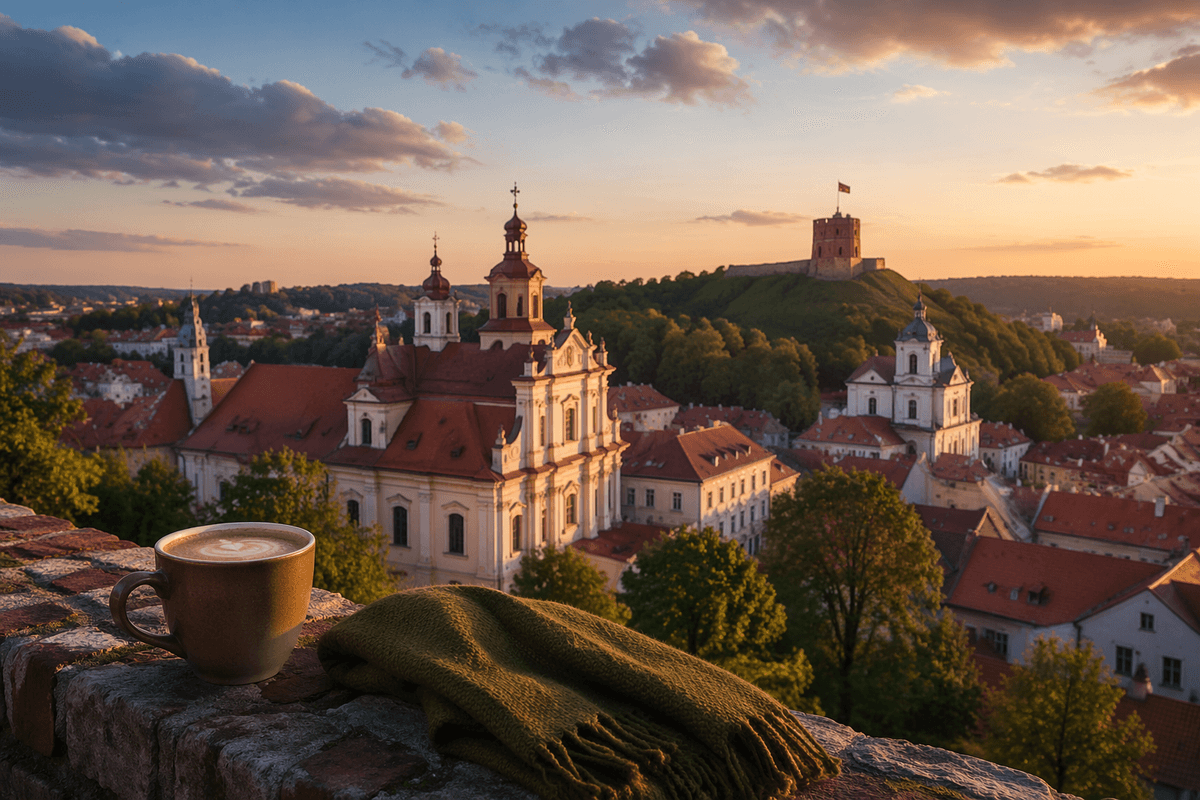
I paused on Pilies Street with a paper cup of coffee, watching a tour group funnel through an archway like water through a narrow drain. The cobblestones looked romantic until my shoes started arguing back, and the “quick” walk up toward Gediminas Tower felt steeper than the map implied. Vilnius does that: it reads gentle, then quietly asks you to manage hills, steps, and timing.
The baroque calm is real—courtyards, churches, and that slightly muffled Old Town soundscape—but it lands differently than Riga or Tallinn. Where Tallinn can feel like a perfectly framed set and Riga can feel grander at street level, Vilnius is more intimate and a bit messier, in a good way. It works best for couples who like long, walk-first days with breaks built in; if you’re chasing big “wow” landmarks per hour, it can register as understated.
The modern edge shows up between meals: espresso bars that don’t require a London budget, galleries like MO when the weather turns, and neighborhoods across the river that feel more local than scenic. The trade-off is logistical: stay inside (or just outside) the Old Town ring and you’ll save fatigue at night; stay farther out to save money and you’ll pay it back in rideshares after dinner, especially when rain slicks the stones and the city’s charm becomes a little more work.
Coast, dunes, and deep forests
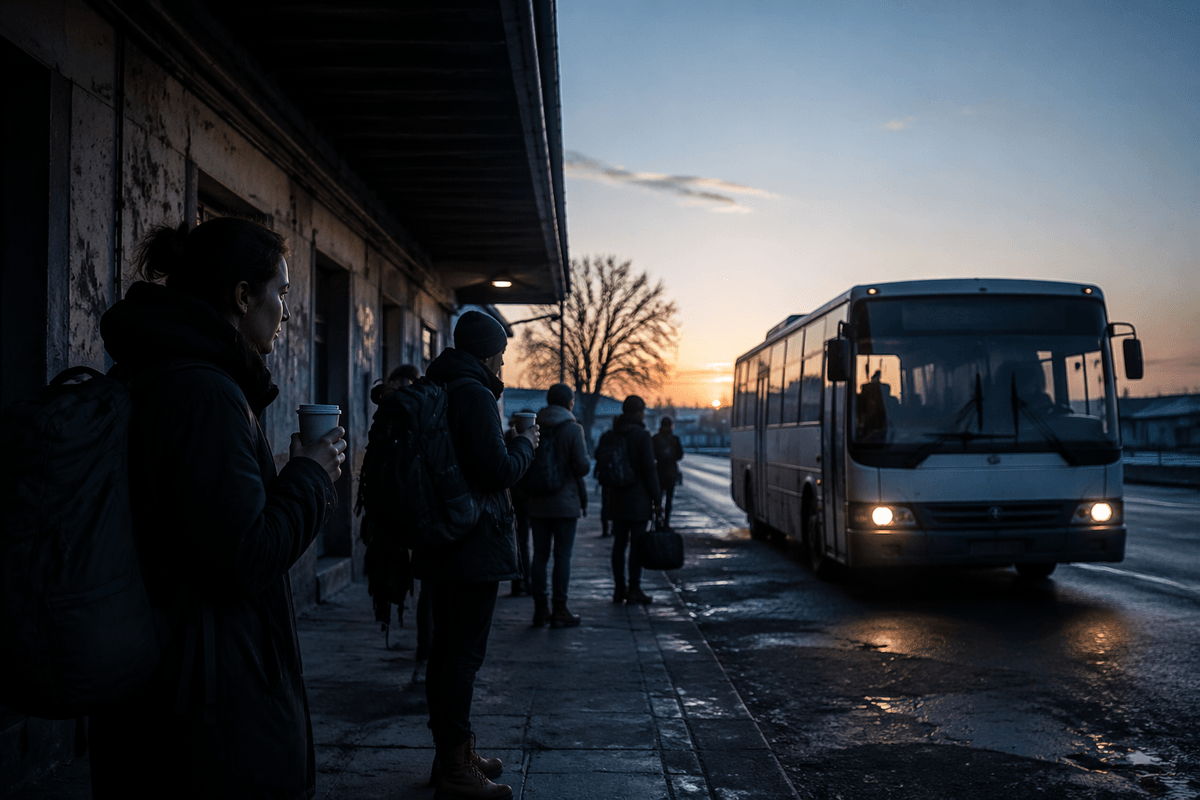
The coast looked like a neat side-quest until I traced the line from Vilnius to Klaipėda with my finger and realized the “quick hop” was basically a travel day. A bus departure at 7:10 a.m. sounds fine in theory; in practice it means a dark platform, coffee you didn’t really want, and arriving just tired enough to start negotiating whether you still have energy for the ferry. Maps make the Curonian Spit feel adjacent; your legs and daylight will disagree.
If you do go, the dunes deliver a kind of scale Riga and Tallinn don’t: sand that behaves like a landscape, not a beach accessory, with pine forests holding the wind back in patches. The trade-off is friction—limited connections, seasonal crowd flow, and the small timing tax of ferry queues and bus schedules inside the Spit. It works best for couples who like long walks and quiet scenery (and don’t mind planning around last returns); it’s a weaker fit if you’re chasing flexible evenings, spontaneous restaurant-hopping, or “we’ll decide tomorrow” pacing.
Deep-forest Lithuania is the sleeper alternative when the coast feels too logistically expensive: a national-park day can be simpler than a coastal transfer, especially if weather turns and dunes become more grit than romance. You won’t get the same horizon-line drama, but you’ll spend less time in transit—and on a 7–9 day add-on, that’s often the difference between feeling restored and feeling rushed.
Food, saunas, and living traditions
I stared at a menu chalked in Lithuanian and English, trying to decide if I wanted comfort or curiosity, while the server waited with that polite Baltic patience. It was 6:40 p.m., raining just enough to make the Old Town shine, and my “quick dinner” plan suddenly felt optimistic. Compared with Riga’s more obviously international dining strips, Vilnius makes you work a little harder for the local angle—but it pays you back when you lean in.
Lithuanian food is at its best when you accept its logic: hearty, seasonal, and built for weather that doesn’t always cooperate. Cepelinai and potato pancakes can feel heavy if you’re coming straight from Mediterranean pacing, yet they’re perfect after a long museum afternoon or a damp walk up to viewpoints. For mid-budget couples, the sweet spot is lunch specials and simple bistros—good value, fewer reservations—while dinner can get bottlenecked on weekends when everyone seems to arrive at the same hour. If you want “wow plating,” Tallinn may win; if you want honest flavor and prices that don’t punish you, Lithuania holds its own.
Saunas and living traditions are where the country can feel most distinct—less a performance, more a habit people still keep. The proper sauna experiences often run on set times, and showing up tired or late turns restorative into stressful. It suits couples who like rituals (slow heat, cold rinse, unhurried tea afterward) and doesn’t suit travelers who only have a thin evening window between transit and tomorrow’s early bus. If you’re choosing what to prioritize, I’d pick one deliberate food splurge and one sauna session rather than trying to sample everything in a blur.
If you have three days, do this
I stood in Vilnius Station at 8:12 a.m. with two coffees and a decision I’d put off: track times to the coast, or keep the trip walkable. The departures board made the “quick” idea look doable, but the gaps between connections hinted at a familiar penalty—arrive late, queue for something, and you’ve quietly spent your best daylight sitting down. Three days is where Lithuania asks you to choose, not cram.
Day 1: stay inside (or just outside) the Old Town ring and walk it like a loop rather than a checklist—Pilies Street crowds early, quieter courtyards after lunch, a museum (MO if weather turns) as your mid-afternoon reset. Day 2: pick one day trip with low friction: Trakai for castle-and-lake scenery if you want a clean “photo reward,” or Kaunas if you’re more into interwar edges and a less-touristed city feel. Day 3: keep Vilnius slower—Uzupis, a long breakfast, then a booked sauna time you’ll actually show up for.
If you’re torn about the Curonian Spit, this is the honest line: it’s spectacular, but it behaves like a separate trip. Swap it in only if you can stomach an early start and a late return (or better, add an extra night on the coast). For a 7–9 day Baltics add-on, three Vilnius-based days won’t beat Riga/Tallinn on “instant postcard,” but they win on lived-in pacing—if that’s what you’re craving, lock it in.