Cheap trips fail on tiny habits
The first time a “$20/day” budget blew up on me, it wasn’t a big-ticket mistake—it was tiny defaults: grabbing water at 7‑Eleven every time, paying ATM fees twice in a week, saying yes to the first tuk-tuk quote, and adding “just one” café stop to kill heat.
Those habits don’t feel like scams, which is why they’re dangerous. The fix is boring but effective: pick one reliable water source per day, withdraw less often (and track fees), price-check short rides once, and cap convenience buys when you’re tired—fatigue is when budgets leak fastest.
Move smart without tourist markups
In Bangkok, the first real budget test usually hits before you’ve even checked in: you’re sweaty, your phone’s half-dead, and the curb outside the station is a wall of offers. This is where “cheap” gets expensive. The move that consistently works is deciding your transport mode before you’re in the negotiation zone. If you can, walk 3–5 minutes away from the obvious pickup point, open a map, and choose between rail, bus, or a metered ride—anything but a price shouted at you while you’re distracted.
Across Thailand–Vietnam–Cambodia, the best cost-to-sanity combo is boring public transit plus occasional targeted splurges. City-to-city, don’t automatically chase the cheapest night bus; it can steal the next day with bad sleep and late arrivals, which then forces you into pricier last-minute food and rooms. If a daytime bus or train gets you in before dark, you often “buy back” money through smoother check-ins and safer onward connections. In cities, short rides are where markups hide: scooters and tuk-tuks can be fine, but only if you anchor the price first by checking a ride-hailing estimate or a posted fare. If they won’t use a meter or won’t agree clearly, you’re not failing at haggling—you’re spotting a bad trade.
Booking ahead is a scalpel, not a lifestyle. I’d lock in only the legs that can trap you (cross-border buses, popular weekend routes, and any flight you’re using to protect time), then leave local hops flexible. The practical rule: if missing it would cost you a whole day, book it; if it’s replaceable within an hour, show up and pay local pricing.
Sleep better for less, not worse
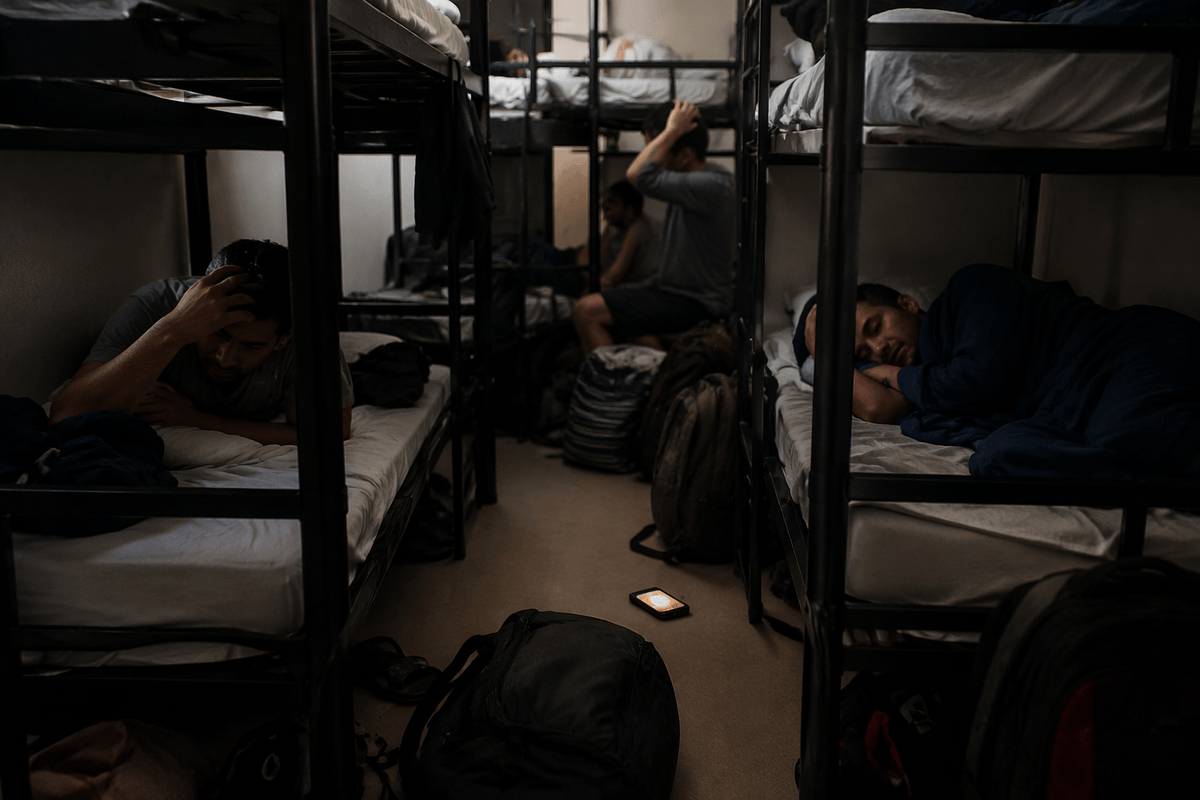
My most expensive “cheap” nights in Southeast Asia weren’t at nice hotels—they were the ones where I tried to save $4 and then paid for it all the next day. The classic trap is arriving late, tired, and heat-sticky, then taking whatever bed is available: a dorm in a sketchy lane, no window, someone’s alarm at 5:30, and a lock that doesn’t quite inspire confidence. You didn’t just buy a bed; you bought a worse morning and a higher chance you’ll spend money to recover (extra coffee, extra rides, a lazy paid tour because you’re too cooked to explore).
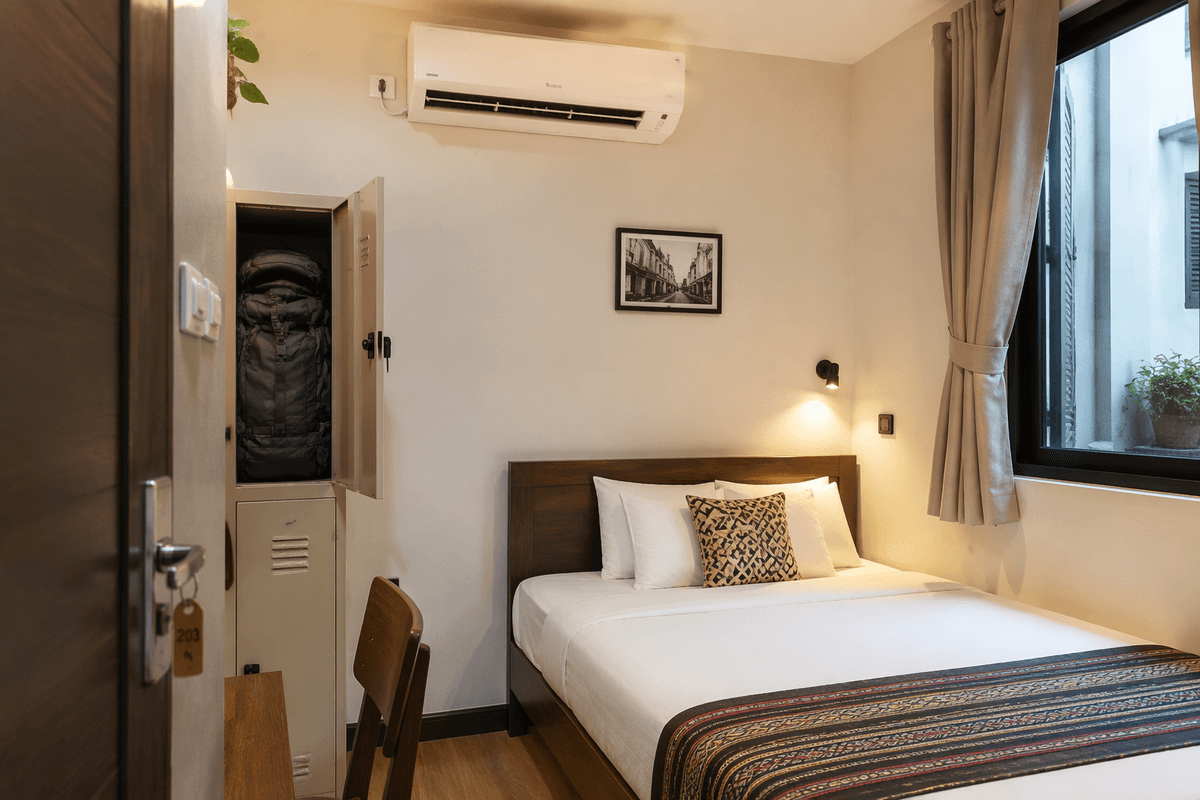
The move that works is treating sleep like a tool, not a reward. In Bangkok, Hanoi, and Phnom Penh, I’ll pay a little more for three things: location I can walk from after dark, real A/C (not “A/C in theory”), and a private storage setup (locker big enough for your bag or a room safe that isn’t decorative). If you’re choosing between a slightly nicer place farther out versus a simpler place near where you’ll actually be eating and wandering, central usually wins on a $35/day loop—because you cut 2–4 short rides that quietly equal the upgrade.
Where I do save: I’ll take a basic private room over a “social” dorm once I’m moving fast. Dorms can be cheap, but the hidden cost is sleep fragmentation—especially if you’re doing early buses, border days, or walking tours. A fan room can work in cooler months or higher floors, but if you’re already planning midday breaks, don’t gamble on humidity: you’ll just end up paying for A/C somewhere else. Practical booking rule: lock in stays for Fridays/Saturdays and any place with limited inventory (small islands, popular old quarters), but keep midweek flexible so you can extend a good spot without eating peak pricing.
One last safety trade-off that’s worth being picky about: entry and exits. I’ll skip the “great deal” if I have to cut through an empty alley at night or if the reception disappears after dinner. You’re not being paranoid—you’re buying fewer decisions when you’re depleted, which is exactly when travelers get overcharged, lost, or pushed into bad transport choices.
Eat local daily, still safely
The first time I got food anxiety on this loop, it wasn’t from a “mystery stall”—it was from being hungry, overheated, and trying to decode three different YouTube rules at once. I stood there doing mental math: cheap street food now, or a clean-looking café with prices that quietly doubled my day? What worked was giving myself a simple decision ladder. If a place is busy with locals, turns tables fast, and I can see the cooking surface, I’ll eat there without overthinking it. If it’s empty at peak hours, has pre-cooked food sitting warm, or the “menu photo book” is the only thing happening, I treat that as a signal—not a challenge.
Street food is still the backbone of a ~$35/day plan, but you have to spend your risk budget wisely. I’ll happily eat grilled, fried, or boiled things (high heat, high turnover) and skip raw add-ons when it’s 95°F and the ice situation looks questionable. In Bangkok and Vietnam, I’m careful with cut fruit that’s been sitting and any “already mixed” sauces that look like they’ve lived outside all afternoon. The trade-off is you lose a little spontaneity, but you gain consistency: fewer stomach days means fewer paid taxis, pharmacies, and wasted afternoons.
The other safety lever is timing. I try to eat my biggest local meal earlier—late breakfast or lunch—when places are restocking and I’m not forced into whatever’s open after a long transit. Dinner is where I’ll pay a small premium for a clean, busy spot near where I’m sleeping, because wandering hungry after dark is when you end up overpaying or making dumb calls. And if you want one “splurge” rule that protects both budget and gut: spend it on hydration (sealed water, electrolytes) and one reliable meal on travel days. It’s cheaper than recovering.
My pick: a realistic daily budget
The budget decision that finally stopped feeling like a gamble was admitting that “$20/day” is usually a best-case average, not a plan you can execute while moving every few days. On a Bangkok–Vietnam–Cambodia loop, prices swing by city, season, and how fried you are. So I stopped trying to win every day. Instead, I built a baseline that I could actually repeat without slipping into late-night taxi rides, sketchy lanes, or recovery spending.
My realistic pick for this route is ~$35/day as a working average, with a simple split: $10–$14 for food (street meals plus one sit-down “reset” meal), $12–$18 for sleep (dorm or basic private, but in a walkable area), $4–$8 for local transport + SIM/data, and $3–$8 for “friction” (water, laundry, small entry fees). If you add a paid tour or a long transfer day, you blow the daily number. The fix is treating those as “lumpy” costs you fund with two intentionally cheap days, not with wishful thinking.
What I book ahead to protect the budget is anything that can force a bad last-minute choice: Friday/Saturday beds, cross-border transport, and time-critical flights. What I keep flexible is everything else—midweek rooms, local buses, and most day activities—because that’s where you can still shop calmly and avoid tourist markups. If you want one takeaway: aim to be cheap by default, but willing to pay for speed, sleep, and a safe location on the days that would otherwise steal tomorrow.