Your trip isn’t about “everything,” it’s about the right California.
I hovered over the map with my thumb on the “3 hr 45 min” estimate from San Francisco to Yosemite, then remembered it was 4:30 p.m. on a Friday and we still needed gas. The blue line looked clean and decisive; the real world felt more like a slow leak of minutes. Even before the first reservation, California was already asking us to pick what kind of tired we were willing to be.
For a seven-day first trip, “doing California” usually means bouncing between LA, SF, the coast, and a national park like it’s a sampler plate. You spend your best daylight hours in traffic or hunting parking, and the iconic stuff starts to feel like errands. LA rewards neighborhoods and meals spread out over time; SF rewards compact wandering and shorter hops. Trying to do both can work, but only if you accept that one will be a highlight reel, not a deep dive.
The more useful question is: which California fits you—city-forward with quick coastal escapes, or nature-forward with one big, early-morning park day? If you’re the couple that loves late dinners and sleeping in, stacking sunrise hikes onto long drives will feel like punishment. If you’re happiest on a trail, skipping one famous city can buy you a calmer route and a reservation you actually get. Pick the version you’ll enjoy repeating at 9 p.m., when you’re deciding whether to keep driving or call it.
Start with one anchor region
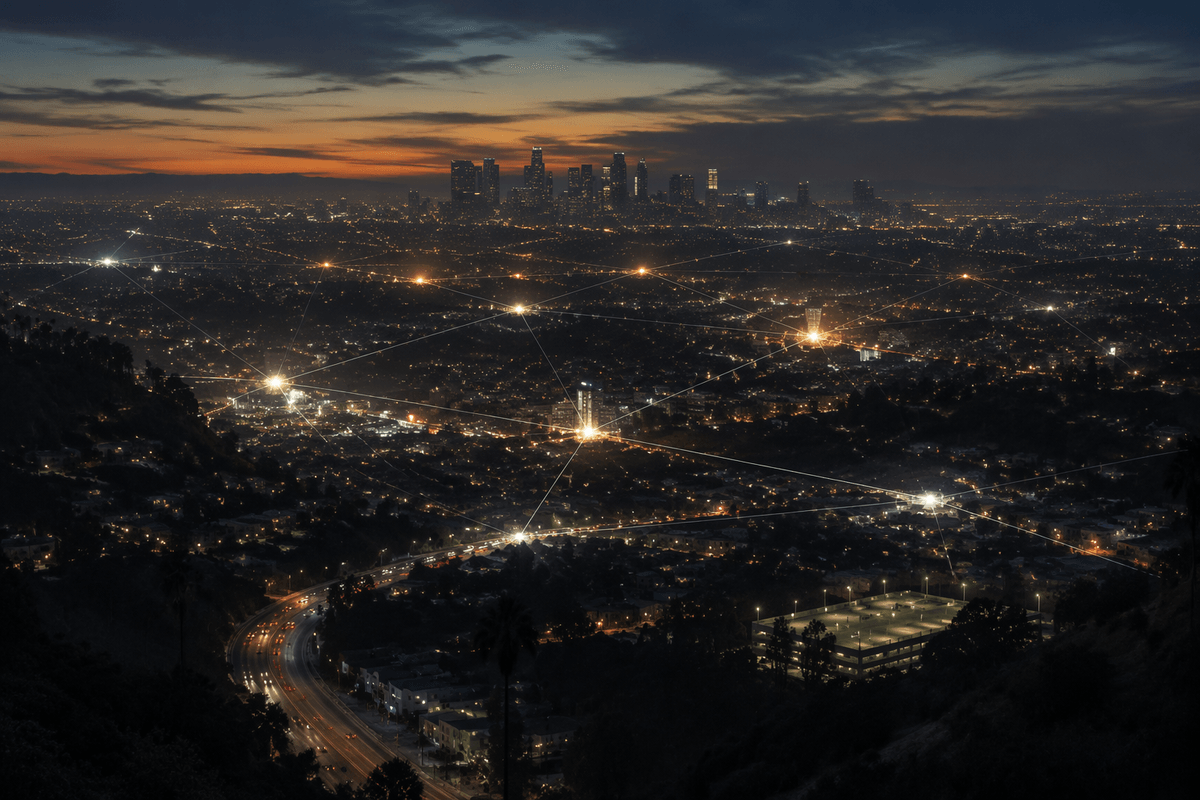
At 10:12 p.m., I was staring at a hotel map with three tabs open—Santa Monica, Hollywood, and “somewhere central”—and none of them felt central once I zoomed out. The prices jumped every time I nudged the pin closer to what we wanted, and the “15 minutes away” label kept changing like it was embarrassed. That’s when it clicked: we were trying to pick a whole state by choosing a bed.
For seven days, start by choosing one anchor region where you’ll sleep most nights, then build small loops from there. SF Bay makes quick work of classic city time—walkable neighborhoods, ferry rides, redwood day trips—while LA is more of a constellation: great meals and iconic sights, but you pay in drive time and parking unless you’re picky about where you base. If you anchor in SF, Big Sur can turn into an all-day push; anchor in LA, and the “easy” coastal stops often come with stop-and-go traffic that eats your afternoon.
The anchor choice should match how you like to move. Couples who enjoy lingering breakfasts and popping into spots on a whim tend to do better with SF + nearby coast, because the gaps between wins are shorter. If you’re okay with a little logistical grit—early starts, timed entries, and being decisive about neighborhoods—LA + one big nature day can be magic, just less forgiving when you’re tired. Pick the base that still sounds pleasant at 6 p.m., when you’re hungry and the GPS quietly adds twenty minutes.
Add the nature that fits seasons
We pulled into a trailhead lot at 9:48 a.m. and the “Spots Available” sign was already dark, even though it was a random Tuesday. I’d packed for “California sunshine” and ended up in a fleece, watching fog spill over the ridge like someone had tipped a cooler. The plan hadn’t failed exactly—it just needed the season we’d imagined it was.
If you only have one big nature day, match it to when you’re going. Summer is when the mountains feel like a reward (Yosemite high country, Tahoe, Sequoia), but it’s also when parking fills early and timed-entry rules can turn a casual idea into a calendar negotiation. Winter flips the deal: desert parks like Joshua Tree are comfortable and forgiving for late risers, while the Sierra can mean snow chains, closed roads, and shorter daylight that makes a long drive feel longer. Shoulder seasons are the sweet spot for many couples—spring waterfalls in Yosemite can be unreal, but “spring” can still mean chilly mornings and patchy access.
Coastal nature is its own compromise: Big Sur, Point Reyes, and the redwoods are closer to city anchors and don’t demand a 5 a.m. departure, yet fog and wind can steal the postcard views you thought were guaranteed. If you’re the kind of travelers who get cranky when plans hinge on weather, pick a nature day with options—one main hike, one scenic stop, one food stop—and decide the night before based on conditions and how tired you actually are.
Build a route you’ll enjoy driving
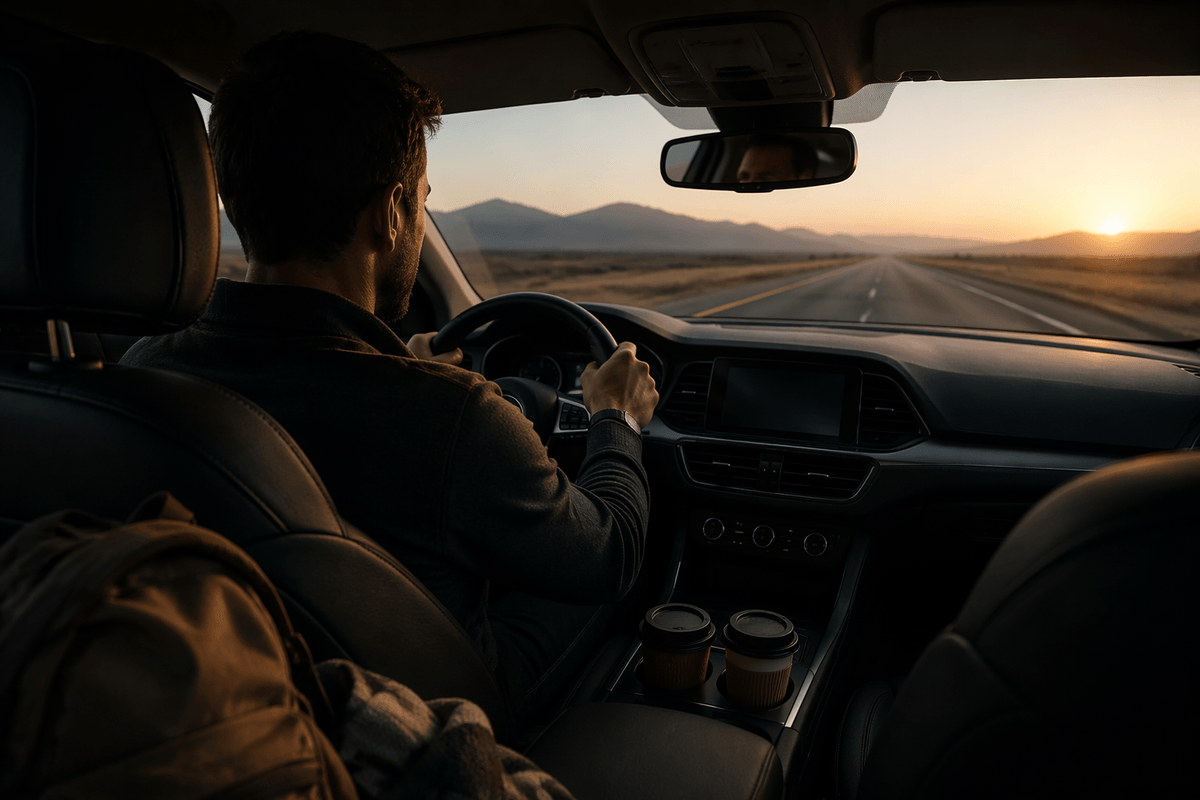
At 4:26 p.m., we merged onto the 101 thinking we’d “just knock out the drive” before dinner, and the brake lights immediately proved we were not special. The map said 58 miles; the ETA climbed in five-minute bites while we watched the sun tilt toward the water. It wasn’t dramatic, just that slow, sticky kind of time loss that makes you arrive hungry and slightly annoyed at each other.
A route you’ll enjoy driving is usually a route with fewer big transfers and more short, satisfying hops. Think in blocks: two nights in one place, then a single longer move, then two nights somewhere else—rather than sleeping in a new bed every night. SF works well with a loop that keeps you north/central (SF → Muir Woods/Sausalito → Point Reyes or Sonoma) because the rewards come quickly; trying to force SF → Big Sur → LA into a week often turns Highway 1 into an obligation, especially if fog kills views or a closure forces an inland detour. LA routes behave differently: pick a base (Westside or Eastside), cluster days by area, and accept that crossing town at 5 p.m. is a trade you should make only for something you’d regret missing.
For a seven-day couple trip, I’d rather spend one “hard drive” morning—early, with coffee in the cupholders—than do three medium drives that steal your best hours. If you’re torn between coast and a park, choose the one that lets you arrive with enough daylight to actually enjoy it; rolling into Yosemite at dusk or Big Sur in thick marine layer can feel like you paid for a postcard you didn’t get. When the route starts to look too clever, it’s usually a sign to drop one stop and make the driving part of the vacation again.
What I’d do with 7 days
On day three, we tried to squeeze in “just one more viewpoint” before the drive, and ended up eating tacos in the car at 6:47 p.m. because parking near the beach was a revolving door. Nothing was ruined, but it was a clean little warning: seven days doesn’t forgive optimism the way a two-week trip does. If the plan depends on perfect traffic, it’s not a plan.
If you’re choosing one city, I’d anchor in San Francisco for four nights and use the closeness as your budget: two city days (neighborhood wandering, a view, one booked “icon”), one food-forward day with a short hop (ferry + Sausalito, or a wine-country-lite loop if you don’t mind higher prices), then one big nature day to redwoods or Point Reyes where fog is annoying but not trip-ending. You trade beaches and Hollywood energy for days that feel full without feeling rushed, which tends to suit couples who like a loose itinerary and hate fighting for parking.
If your hearts are set on LA, I’d do three nights based on one side (Westside for beaches, or Eastside for more late-night food), then two nights somewhere that makes nature easy—Joshua Tree in cooler months, or a mountain option in summer if roads and reservations cooperate—then finish with two nights back in LA for a softer landing. I’d skip trying to “link” LA and SF by car in the same week unless you’re willing to fly; that drive looks like a ribbon on the map and feels like a tax on your daylight. Pick the version that still sounds fun when you’re tired, and let one famous thing go on purpose.