Pick the walk that fits you
I paused over a spread of tabs on a Tuesday night, cursor hovering between “Camino Portugués coastal” and “Pyrenees hut-to-hut,” while the Met Office app insisted it would be 31°C somewhere in Spain in late September. On the map, every line looked pleasantly “scenic.” In reality, your enjoyment hinges on whether you want steady, social miles with cafés every hour, or slower, leg-heavier days where a missed bus turns into a very long afternoon.
Start with two blunt filters: heat tolerance and how much uncertainty you’ll forgive. The iconic routes (Camino variants) buy you straightforward logistics—more luggage-transfer options, more beds, more bail-out points—at the cost of crowd flow in popular weeks and a slightly “processional” feel. Quieter regions (think green northern Spain or some coastal stretches outside peak summer) can feel more like a private walk, but you trade that for fewer daily departures, tighter booking windows, and occasional route inefficiency when accommodation is simply spaced awkwardly.
Then match the walking profile to your week. If you’ve got 7–10 days and want inn-to-inn comfort, look for stages you can cap around 15–22km without losing the best scenery to roads. Big-mountain itineraries pay you back in drama, but they punish tired knees and bad weather timing. If you’re wavering, choose the route that still works when you’re a bit slower on day four.
Pilgrimage energy on the Camino
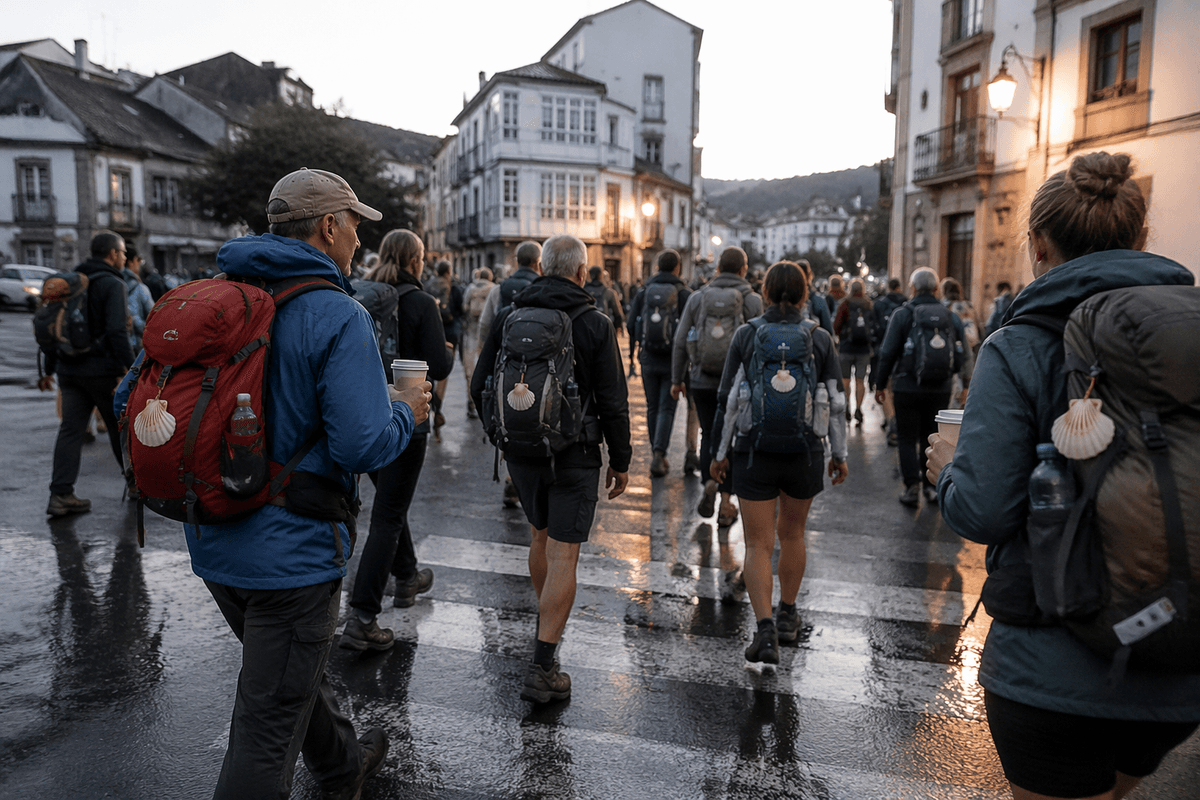
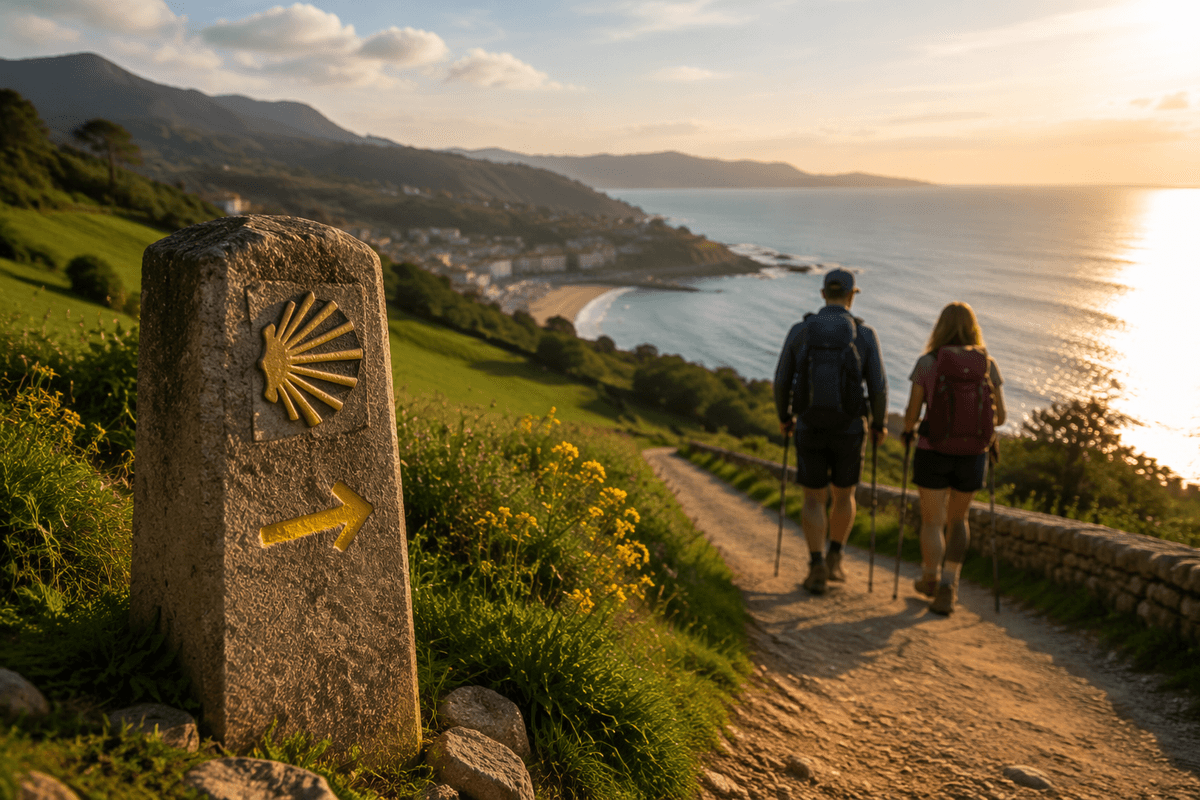
At 7:18am in Sarria, I hesitated at a zebra crossing while a stream of scallop-shell backpacks flowed past like a school run—some already clutching coffee, most moving with purpose. It felt less like “setting off on a walk” and more like joining a timetable. I liked the momentum, but I also clocked the line at the first stamp desk and wondered how that would feel on day six.
The Camino’s biggest advantage for a 7–10-day, self-guided inn-to-inn trip is the built-in infrastructure: pharmacies, luggage transfer, and accommodation that’s used to late arrivals. Compared with wilder routes, you waste fewer hours on transfers and contingency planning. The trade-off is crowd flow, especially on the Francés in late spring and early autumn, when you can end up walking someone else’s pace and eating when the queue says you can. If you want the pilgrimage buzz without peak-density, start earlier (out by 7:30) and pick stages that dodge the “short hop” bottlenecks around popular starting points.
For couples who want food and simplicity more than solitude, the Camino Portugués (inland) often feels a touch less processional than the Francés, with plenty of cafés but fewer conveyor-belt stretches. Heat is the limiter: July and August can turn even flat days into a grind, whereas May/early June and late September/October are kinder—just accept that rain gear may matter more than perfect linen. If you’re drawn to the social rhythm, book beds early, then give yourselves permission to stop walking when the day stops being fun.
Big-mountain days in the Pyrenees
I realised I’d misread the Pyrenees the moment a low cloud rolled over a col at about 10:40am and the temperature dropped fast enough that I dug out gloves I hadn’t expected to need in Spain. The waymark was there, but the “easy” contour line on my screen had turned into loose stone underfoot and a bit of careful footwork. Compared with the Camino’s steady rhythm, these days feel more like proper mountain outings—rewarding, but less forgiving when you’re tired.
For a 7–10-day, inn-to-inn couple’s trip, the sweet spot is a valley-based itinerary (think classic national-park scenery and big cirques) rather than a pure hut-to-hut push. You’ll get the drama—waterfalls, limestone walls, high meadows—without committing to long, exposed stages where bad weather can pin you down. The limiter is timing: afternoon storms and lingering snow (in early season) can turn a “we’ll see how we feel” plan into a deadline.
Buses and taxis exist, but departures can be sparse, and accommodation is often clustered, which creates awkward stage lengths unless you pre-book a transfer. It suits couples with decent fitness who don’t mind starting early and carrying a warmer layer; it’s a poor match if you want guaranteed bail-out points, or if knees hate long descents after day three.
Green, quiet miles in northern Spain
I stopped under a dripping plane tree outside a café in Llanes, watching my phone’s forecast flip from “light rain” to “proper rain” in the space of ten minutes. The map had promised a neat line along the coast; on the ground it was hedges, wet stone steps, and the occasional detour sign that didn’t quite match the GPX. It was cooler than inland Spain, which felt like a win, but it also meant walking in a shell rather than a T‑shirt.
If you want Spain without the furnace, the Atlantic north—Asturias, Cantabria, bits of the Basque Country—buys you green lanes, dairy-country villages, cider bars, and that smell of eucalyptus after a shower. Compared with the Camino Francés, the mood is less processional: you’ll still meet walkers, but you’re not constantly slotting into someone else’s pace. The trade-off is weather roulette and a slightly “stitchier” route, where coastal paths, short road sections, and cliffy steps take more out of calves than the kilometres suggest.
Logistics sit in the middle: easier than the Pyrenees, fussier than the busiest Camino. Accommodation can be wonderfully characterful (and good value), but it isn’t always spaced for perfect 18–20km stages, so you may need one taxi hop or a longer day to reach the next decent stop. It works best for couples who prioritise food, freshness, and quieter nights over guaranteed sunshine; if you’ll resent wet socks by day three, pick a shorter block and build in a rest afternoon rather than forcing a rigid, point-to-point march.
Coastal sunshine walks in the south
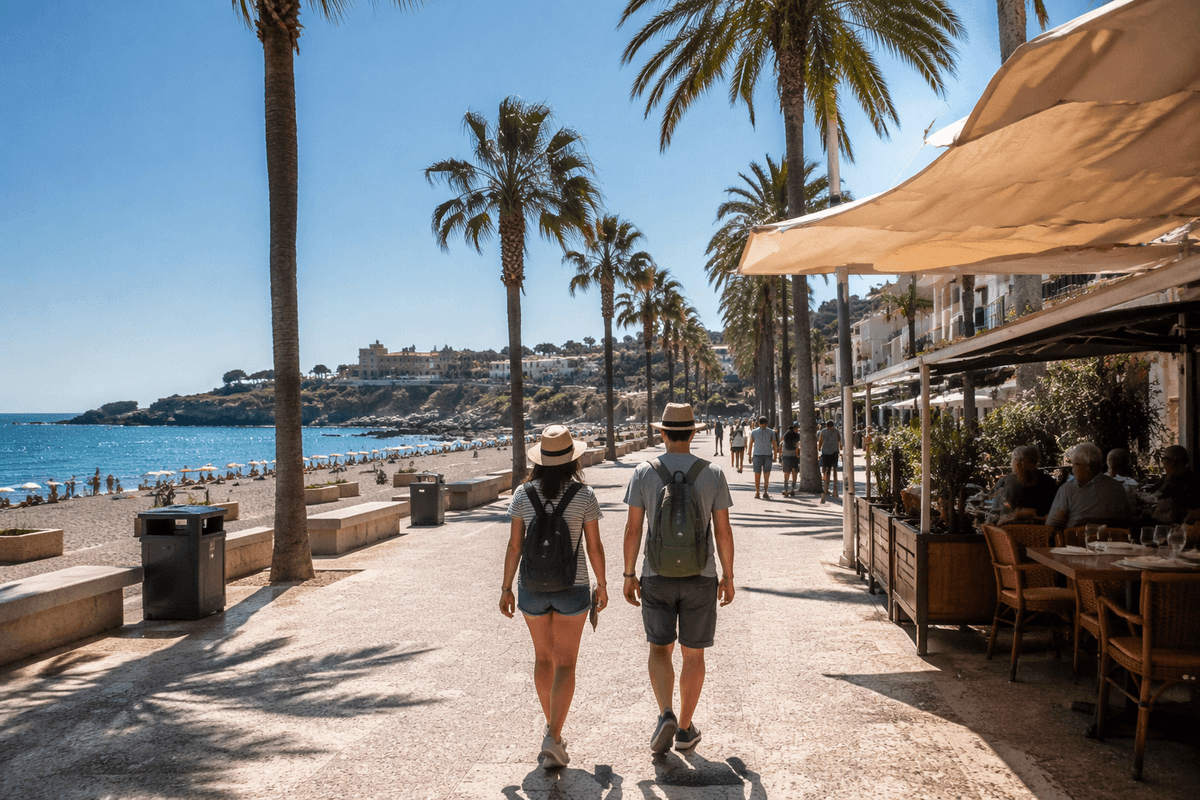
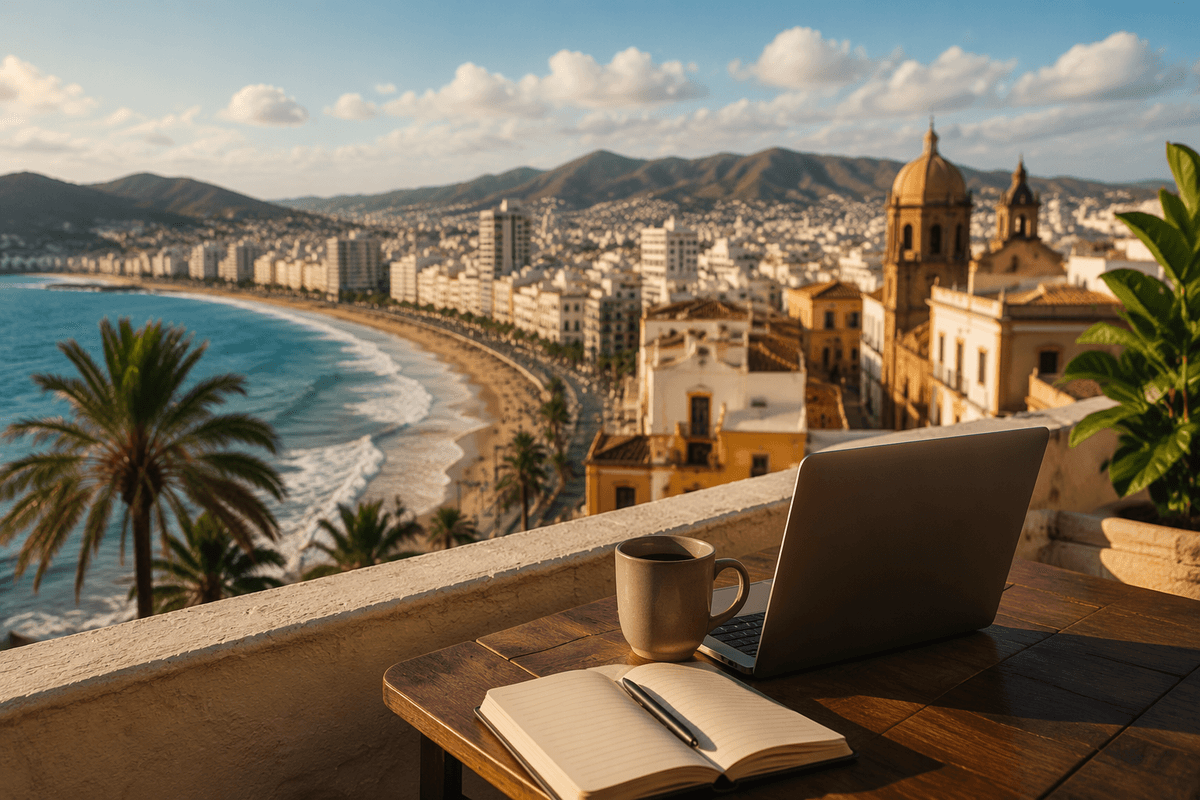
I felt it on a south-coast promenade at 2:12pm: the sea looked inviting, the pavement radiated heat, and my “easy coastal day” plan suddenly depended on finding shade every 20 minutes. Compared with the Atlantic north, the light is sharper and the margins are smaller—miss a water stop and you’ll notice. It’s not scary, just… less forgiving when you’re trying to enjoy yourselves rather than “train.”
For sunshine with genuinely walkable days, I’d treat southern coastal routes as shoulder-season trips: late March to May, or October into early November. July and August can work only if you’re happy with early starts (think 7:30 out the door), shorter stages (12–18km), and a long lunch/siesta-style pause. The scenery trade-off is real: wide beaches and salt-marsh feel spacious and calming, but you’ll sometimes swap cliff drama for flat, wind-exposed miles where 18km can feel longer than it sounds.
Logistics are both easier and messier than you’d expect. Beach towns give you beds and brilliant seafood, but the nicest places book up like a normal seaside holiday, and stage spacing can be awkward—either too short (resort-to-resort) or too long without a pleasant inland alternative. This style suits couples who prioritise sunshine, swimming options, and simple evening meals; it’s a poor match if you want midday hiking, guaranteed shade, or the “arrive-anytime” flexibility you get on the busiest Caminos.
What I’d choose with limited time
With the calendar open and only nine days between flights, I hovered over two non-refundable hotel holds—one in Santiago, one in Cangas de Onís—while Renfe’s timetable tabs multiplied like rabbits. The problem wasn’t “what’s pretty”; it was what stays enjoyable when you’re a bit slower on day four and you don’t want to spend half a day chasing buses. At that point, I stopped trying to be heroic about distance and started prioritising stage shape and bail-out options.
If you’re travelling in late spring or early autumn and want the least logistical drag, I’d take a Camino variant that isn’t at maximum density and treat it like a food-forward walk rather than a mileage challenge: 15–20km days, early starts, and pre-booked beds in towns where you’ll actually want dinner. You lose a bit of “wilderness” compared with the Pyrenees, but you gain control: cafés on cue, simple luggage transfer, and far fewer forced taxi decisions when plans wobble.
If your dates skew hotter (or you just hate crowds), I’d choose a shorter northern Spain block near the coast and accept one transfer as the trade-off for greener walking and better sleeping temperatures. It won’t be as clean a line as the Camino, and you may get damp, but it suits a mid-budget couple who’d rather spend money on a great meal than on fixing a route that’s too ambitious. When in doubt, pick the itinerary you can shorten without drama—and leave yourselves one unbooked afternoon to slow down on purpose.